
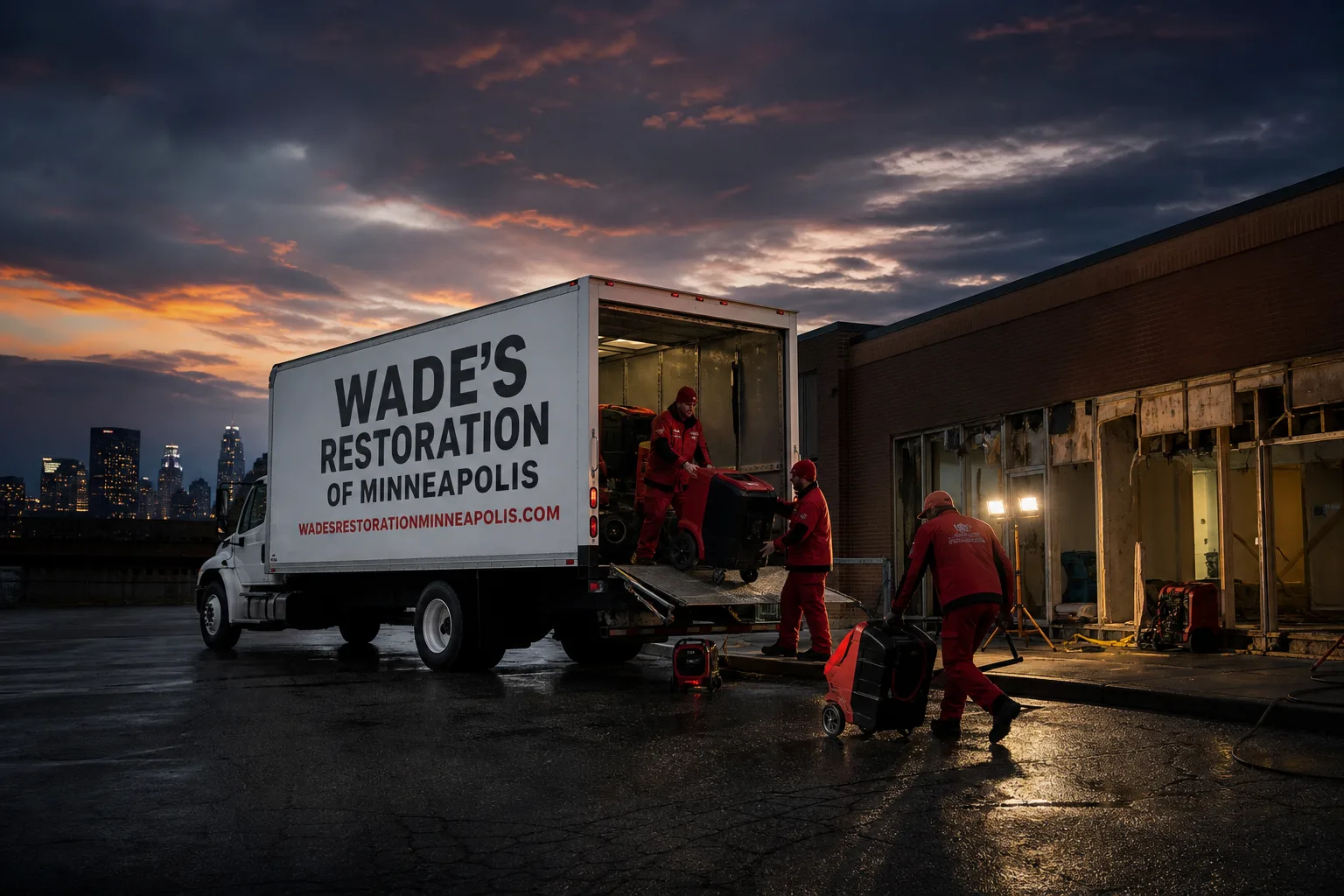
Fast, Reliable Storm & Disaster Restoration Across Brooklyn Park
When a storm tears through Brooklyn Park, the damage doesn’t wait for a convenient time to show up. Neither do we. Storm & Disaster Restoration in Brooklyn Park means responding to flooded basements along Shingle Creek, hail-battered roofs near Highway 169, and trees through windows on 85th Avenue, often in the middle of the night. Wade Ferris answers his own phone, 24 hours a day, and can have a crew at your door inside the hour. Call (888) 690-6095 the moment you see water where it shouldn’t be.
We know Brooklyn Park’s homes because we work in them every week: concrete block ramblers from the 1970s, split-levels with original drain tile, rooflines built before modern impact standards. That local knowledge shapes how fast we can assess, stabilize, and start drying your home.
Why Wade’s Restoration of Minneapolis Is Brooklyn Park’s Preferred Storm & Disaster Restoration Company
Wade’s Restoration has been owner-operated since 2007, and that matters in a city like Brooklyn Park where word travels fast. Ask anyone on your street. When a crew shows up in a marked truck with a real name on the door, homeowners notice. Wade Ferris isn’t a franchise manager reading from a corporate script. He’s the guy who will be there himself, moisture meter in hand, walking your basement wall and explaining exactly what he’s seeing.
Response time to Brooklyn Park is fast because we run crews out of the metro office with a direct route up Highway 169 and 252. No answering service. No voicemail. Wade takes the call and heads out. When you’re standing in two inches of water at 2 a.m., the last thing you need is a recording promising to get back to you within one business day.
Brooklyn Park customers see the difference in how we document everything: daily moisture readings handed over as a written log at the end of the job, photo documentation for insurance, and direct communication with your adjuster. That’s rare in this trade, and it’s exactly what homeowners in established neighborhoods here tell us they couldn’t get from the national outfits.
We also do the small things that build trust in Brooklyn Park. Free second opinion on any written estimate. No trip charge inside our own county. A permanent Senior and Veteran 10% discount. That’s not a marketing gimmick. It’s just how Wade does business.
Our Storm & Disaster Restoration Services in Brooklyn Park
Flood Damage Restoration
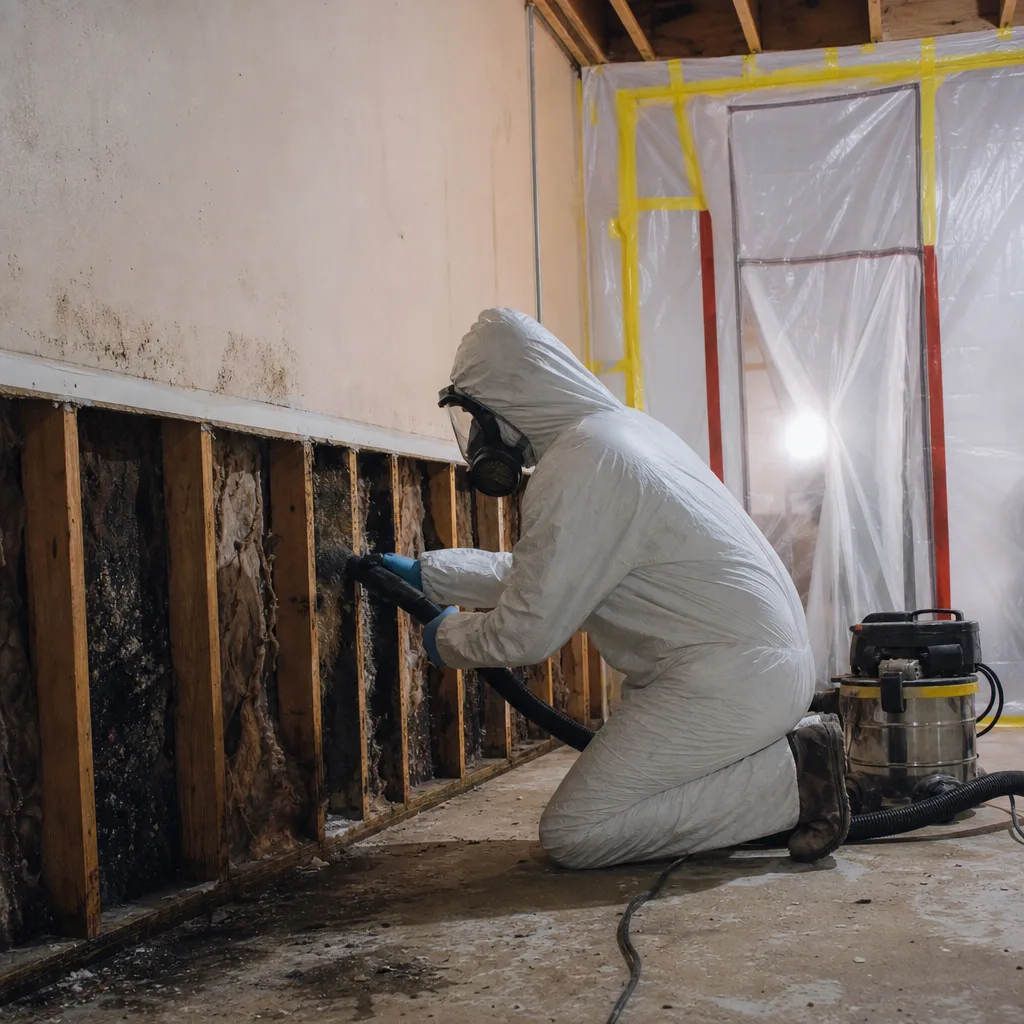
Flooding in Brooklyn Park is rarely a one-time event. Homes along the Shingle Creek floodplain and throughout the older 55443 neighborhoods sit on glacial till that holds water against foundations for weeks after snowmelt. We extract the water, deploy professional-grade drying equipment, and then we do something most crews skip: we figure out where the water actually came from. A wet vac and a dehumidifier won’t fix a collapsed clay drain tile. We’ll scope the line and show you what we found.
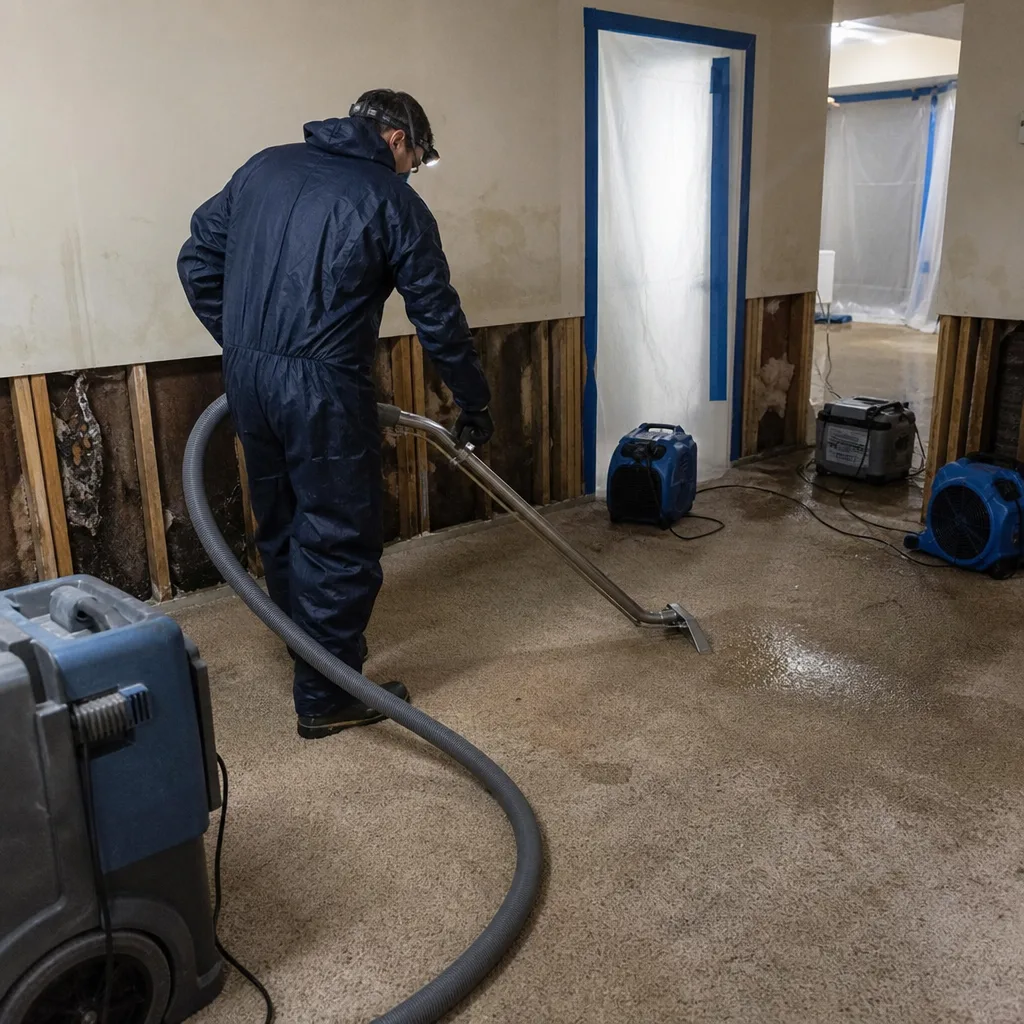
Storm Damage Cleanup
Those big July thunderstorms that track northeast along the Highway 169 corridor bring hail, straight-line winds, and tree damage through Brooklyn Park in concentrated bursts. We handle debris removal, downed tree limbs against siding and windows, and the interior water damage that follows once rain gets through a compromised roof or broken window. The cleanup starts with making the house safe and dry, then we document everything for your adjuster.
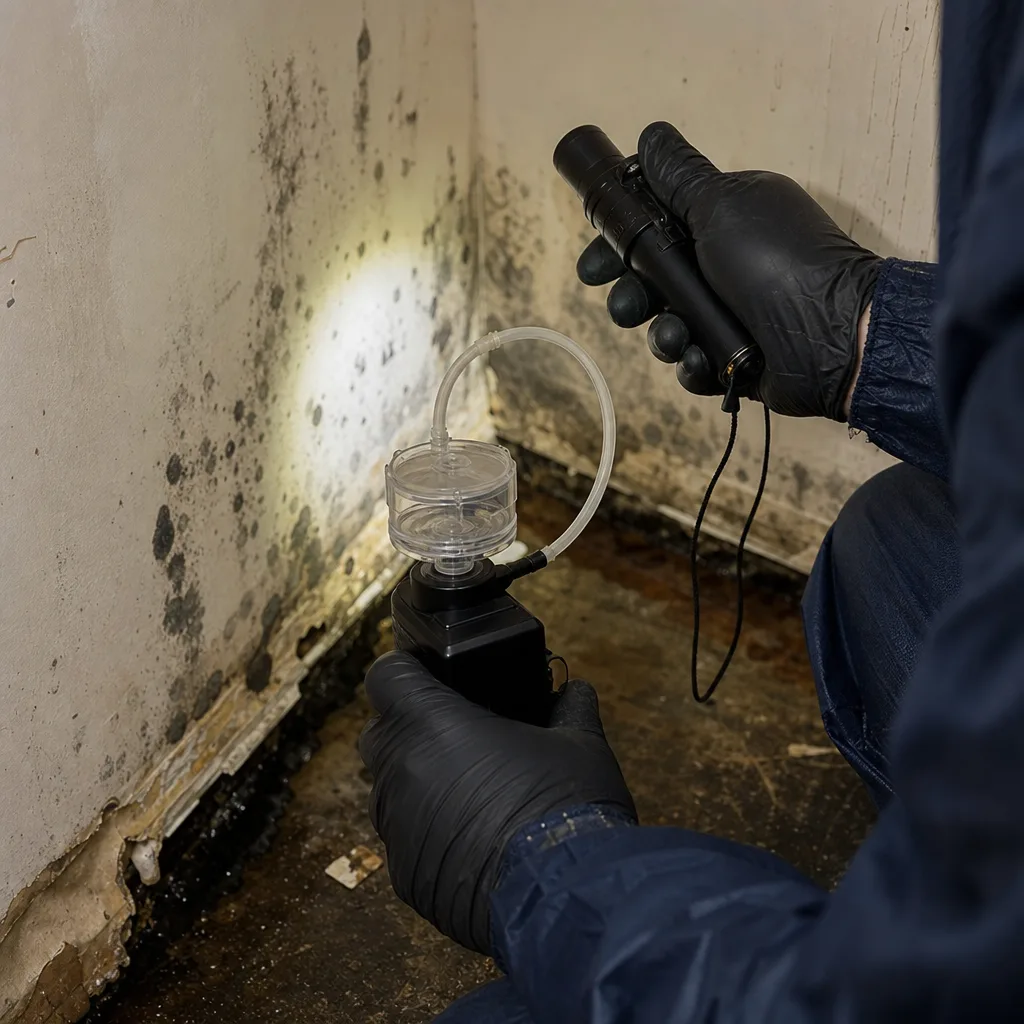
Emergency Board-Up
A broken window or storm-damaged door leaves your Brooklyn Park home exposed to rain, animals, and people who shouldn’t be inside. We board up with plywood and secure openings the same day you call, including nights and weekends. This is temporary protection, not a repair, but it buys you time to deal with insurance and permanent fixes without watching more water pour in. For storm-damaged roofs, we move to tarping right away.
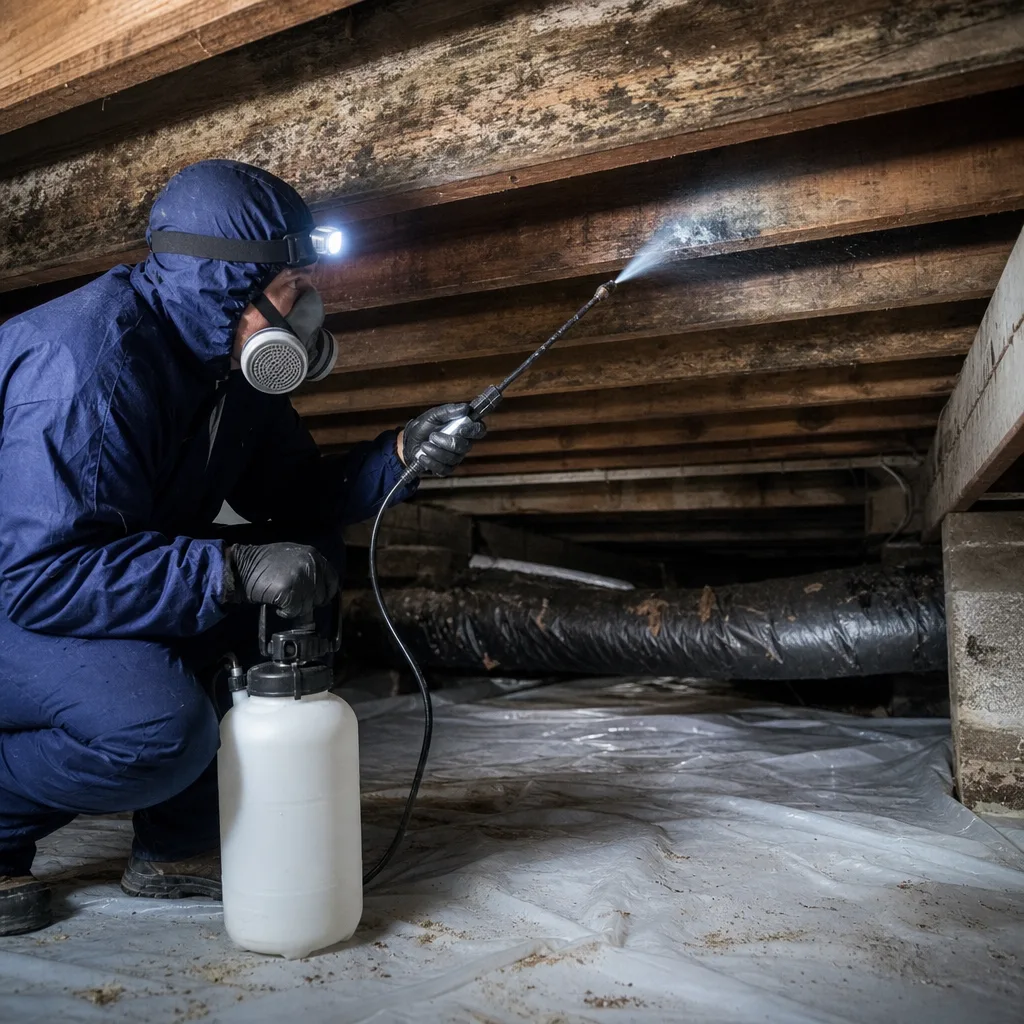
Roof Tarping
Hail and wind damage on a 1970s Brooklyn Park rambler roof can leave the attic open to rain within minutes. We tarp the damaged area securely to stop active water intrusion, then work with you on next steps. A properly secured tarp keeps moisture out while you sort the claim. Done wrong, a tarp flapping in the next storm does more damage than the original hit.
What happens when you call
- 1
A real person answersNo phone trees - you reach a local pro.
- 2
You get an upfront price rangeHonest numbers before anyone is dispatched.
- 3
A background-checked tech heads outLicensed & insured, dispatched right away.
- 4
You approve before work beginsNothing starts until you say go.
Trusted Brands We Service in Brooklyn Park
The equipment we run in Brooklyn Park homes is built for real work: Dri-Eaz dehumidifiers for deep structural drying, XPOWER air movers for fast surface evaporation, and B-Air units where we need high-volume airflow. We also stock the parts Brooklyn Park’s older homes actually need, from sump pump replacements to moisture barriers. If your Phoenix dehumidifier from a previous restoration job is acting up, we service those too, and we keep common components on hand so you’re not waiting days for a part. Fast turnaround matters when your basement is still damp.
Common Storm & Disaster Restoration Problems We See in Brooklyn Park Homes
- Collapsed clay drain tile backing water into basements. Most Brooklyn Park homes built between 1965 and 1990 used clay tile, and after 40-55 years it cracks, silts up, or collapses entirely. When that happens during a heavy rain or spring thaw, water follows the path of least resistance, which is your basement floor.
- Corroded sump crock hardware failing during sustained thaw. The cast-iron and steel fittings in older sump pits corrode over time in Brooklyn Park’s clay soils. When the spring water table rises and the pump can’t keep up or the check valve fails, groundwater pushes up through the crock and floods the basement.
- Repeat flooding in lower Shingle Creek neighborhoods. Homes near 73rd and Zane sit in low-lying terrain where the water table stays elevated well into May. We see the same addresses year after year because the underlying hydrostatic pressure never resolves without full exterior waterproofing. Drying the basement again without fixing the exterior is a temporary pause, not a solution.
- Hail-track storm damage concentrated along the 169 corridor. Storms tracking northeast hit Brooklyn Park’s west side hard, taking out roofs, siding, and windows in a single afternoon. When glass breaks and rain gets into an attic, the water damage spreads through ceilings and insulation faster than most homeowners realize.
Pricing for Storm & Disaster Restoration in Brooklyn Park, MN
Here are real numbers for the Brooklyn Park market, based on the jobs we actually see here. Emergency board-up and tarping generally runs $250-$600 depending on how many openings need securing and how large the roof area is. Flood water extraction with drying equipment typically lands between $1,800 and $4,500 for a standard Brooklyn Park basement, including the dehumidifiers and air movers running for several days. Roof tarping alone averages $400-$800 for a single storm-damage area. Debris removal and tree work off a structure runs $300-$1,200 depending on size and access. What drives cost up: how long water has been sitting, whether we’re cutting out drywall and baseboards, and how much of the structure needs drying. Every job starts with a written estimate before we touch anything. Call (888) 690-6095 for a free assessment.
We Also Serve Cities Near Brooklyn Park
If you’re in Brooklyn Park or just outside it, we’re already working in your area. Our Storm & Disaster Restoration crews regularly serve Coon Rapids, West Coon Rapids, Brooklyn Center, and Champlin. Same local knowledge, same fast response, same owner answering the phone.
Serving Brooklyn Park, MN - Our Local Coverage Area
We’re based in the Brooklyn Park area and know this community well. Use the map below to see our service coverage - if you’re nearby, we can almost certainly help.
FAQs - Storm & Disaster Restoration in Brooklyn Park
It’s the combination of frozen ground still thawing and Brooklyn Park’s glacial till soils holding water against foundation walls. A mild spring rain saturates the top few inches, but the ground below is still partially frozen, so the water has nowhere to go except sideways into your block foundation. The water table stays elevated for weeks because the flat topography around Brooklyn Park doesn’t shed snowmelt quickly. Once the frost fully leaves the ground in late April or May, the same rain won’t cause flooding. That’s your signal that the problem is hydrostatic pressure, not a one-time storm. Call (888) 690-6095 and we’ll bring a moisture meter and show you what’s happening at your foundation wall.
Sometimes a sectional repair works. We can camera-scope the line and see exactly where it’s collapsed or silted up. If the failure is localized, a targeted excavation and replacement might buy you years. But in most 1980s Brooklyn Park split-levels we see, the original clay tile is failing in multiple places and the foundation waterproofing has long since degraded. At that point, a patch is a band-aid. Full exterior waterproofing with dimple board and new drain tile is more expensive up front, but it’s the only fix that stops the cycle. We’ll show you the scope footage and give you both numbers in writing before you decide.
First, stop more water from getting in: call us for emergency board-up and tarping the same day. Plywood over broken windows, a secured tarp over the roof breach. Then we remove the wet insulation and dry the attic structure with high-volume air movers and dehumidifiers. Don’t just patch the window and assume the attic will dry on its own. Insulation holds moisture like a sponge, and mold starts inside 48 hours. We photograph everything for your adjuster and give you a written scope. Call (888) 690-6095 and Wade will head out.
Because the water isn’t coming from the storm itself. It’s groundwater pushing up from below. The Shingle Creek corridor sits low, and the water table there stays high for weeks after any significant rain or snowmelt. A crew that dries the basement and leaves without addressing the exterior waterproofing has done half the job. The water comes back the next time the ground saturates. That’s why we don’t just dry and go; we show you the readings, explain where the water is entering, and give you a long-term recommendation, even if it means we’re telling you that a full exterior dig is what’s actually needed.
Water gets into the tiny cracks and pores of your concrete block through capillary action. When temperatures cycle through freeze and thaw, that trapped water expands as ice and contracts as it melts, widening hairline cracks into real structural openings. Over 40 or 50 Brooklyn Park winters, block walls develop the efflorescent white staining and step-cracking we see on nearly every older rambler here. A winter storm followed by a thaw accelerates it dramatically. The damage shows up as seepage in spring, but it’s been building all winter. We can assess the wall and recommend whether you’re looking at crack injection, drain tile replacement, or full exterior waterproofing.
Storm Damage in Brooklyn Park Isn’t Generic. Neither Is Our Response.
Brooklyn Park’s 1960s-1980s concrete block ramblers sit on glacial till that holds snowmelt against foundations every spring. Storm restoration here is dominated by repeat basement flooding along Shingle Creek, a cycle that doesn’t exist in Maple Grove’s engineered-drainage subdivisions. When we respond to a flooded basement near 73rd and Zane, we’re not guessing at the problem. We know the housing stock. We know the soils. We know what’s been deferred for decades and what just failed last Tuesday.
Last May we responded to a severe thunderstorm on the 73rd and Zane corridor, where a 1970s split-level’s original clay drain tile had collapsed and the sump crock hardware was corroded, pushing hydrostatic water through efflorescent block walls. Our techs deployed Dri-Eaz LGR 7000 dehumidifiers and XPOWER air movers after flood extraction, then scoped the drain tile with a camera before recommending full exterior waterproofing. The owner had dried out twice before and was tired of the repeat. He told us the last two crews never once looked at the exterior. That’s the difference.
If you’re in Brooklyn Park and your block-foundation rambler floods in spring, this page was written for you. The real question isn’t whether we can dry the basement. It’s whether you want to stop the cycle. We’ll give you both options, in writing, with prices attached. Call (888) 690-6095 for a free assessment, or ask for Wade. He’ll answer.
Written by Wade Ferris, Owner at Wade’s Restoration of Minneapolis, serving Brooklyn Park since 2007.