
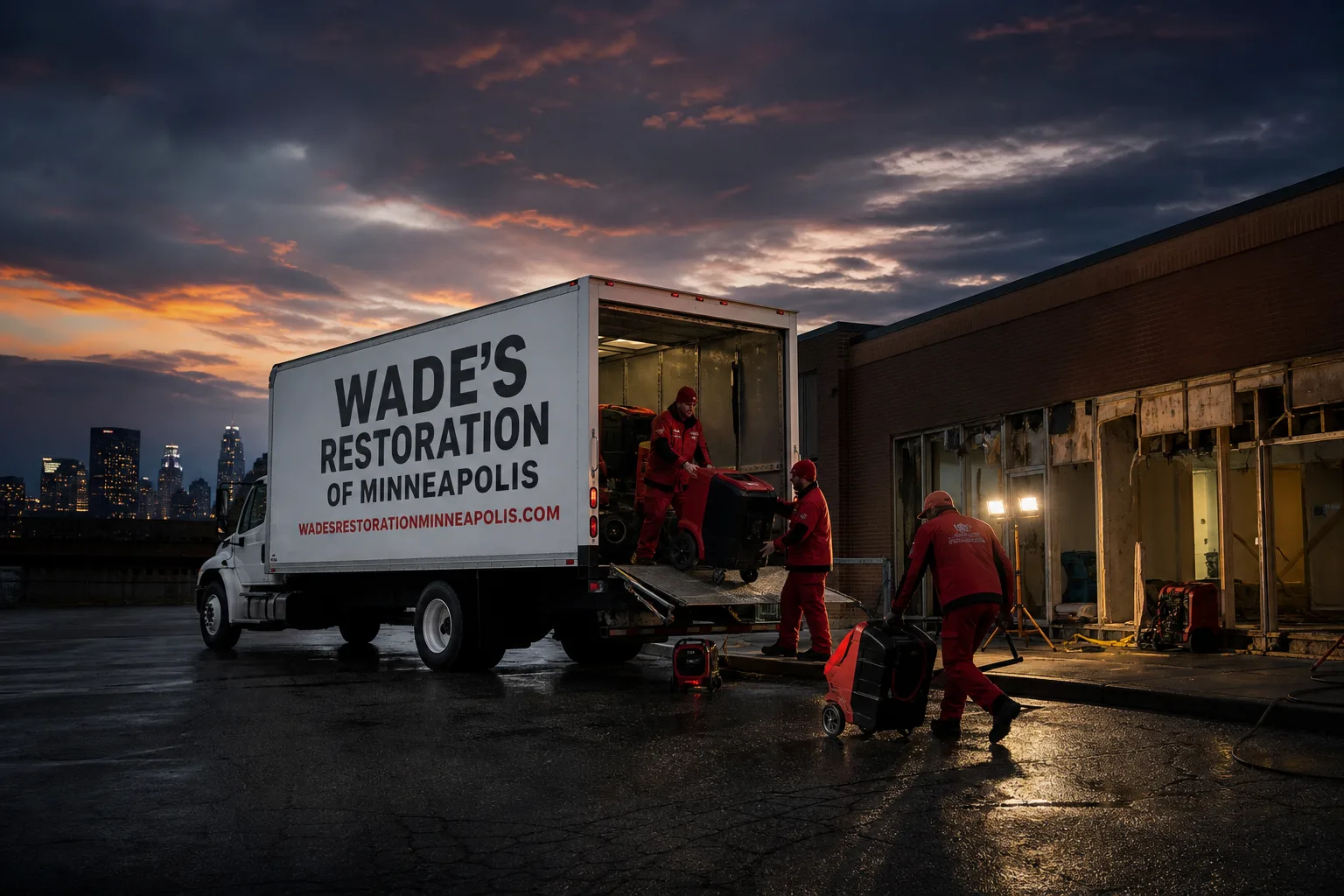
Fast, Reliable Sewage Cleanup Across Big Lake
Sewage cleanup in Big Lake typically runs $1,800-$4,200 for a basement backup and $900-$2,500 for a crawl space extraction, and Wade heads out to Big Lake the same day you call. We answer the phone at (888) 690-6095 around the clock, not a service that routes you to a call center three states away. When raw sewage is sitting in your basement off Lake Street or backing up through a floor drain near the high school, every hour it sits means more drywall to cut out and more flooring to pull.
Big Lake’s geography makes sewage problems worse than most homeowners expect. You’re in a low-lying corridor between the Mississippi River and Big Lake itself. Add Minnesota’s freeze-thaw cycles and the glacial soils under your foundation, and a backup that would be a simple extraction in Monticello turns into a diagnostic puzzle here. We know the difference because we’ve pulled sewage out of basements all over Sherburne County.
Why Wade’s Restoration of Minneapolis Is Big Lake’s Preferred Sewage Cleanup Company
Wade Ferris started this company in 2007, and he still answers his own phone. Not a receptionist reading from a script. Not an after-hours service that takes a message. You call, Wade picks up, and he’s the one who shows up at your door in Big Lake with the extraction equipment. That’s the whole business model: the name on the truck matches the guy standing in your basement.
Big Lake homeowners call us because we show up fast and we don’t oversell. A sewage backup is already stressful enough without a crew inventing work you don’t need. Wade walks the job with you, tells you what has to come out and what can be dried, and puts the scope in writing before anything starts. If we find something unexpected mid-job, we stop and call you. We don’t just add a line item and hope you won’t notice.
Our background-checked crew uses professional-grade equipment from XPOWER, Injectidry, and Dri-Eaz. That matters in Big Lake because your 2000s-era tract home soaks water differently than an older house. We know how OSB subflooring behaves when sewage has been sitting on it for six hours versus twenty-four. We know which drying protocol works on sandy outwash soils and which one fails. That local knowledge is why homeowners off County Road 43 and around Northstar Station keep calling us back.
Our Sewage Cleanup Services in Big Lake
Sewage Backup Cleanup
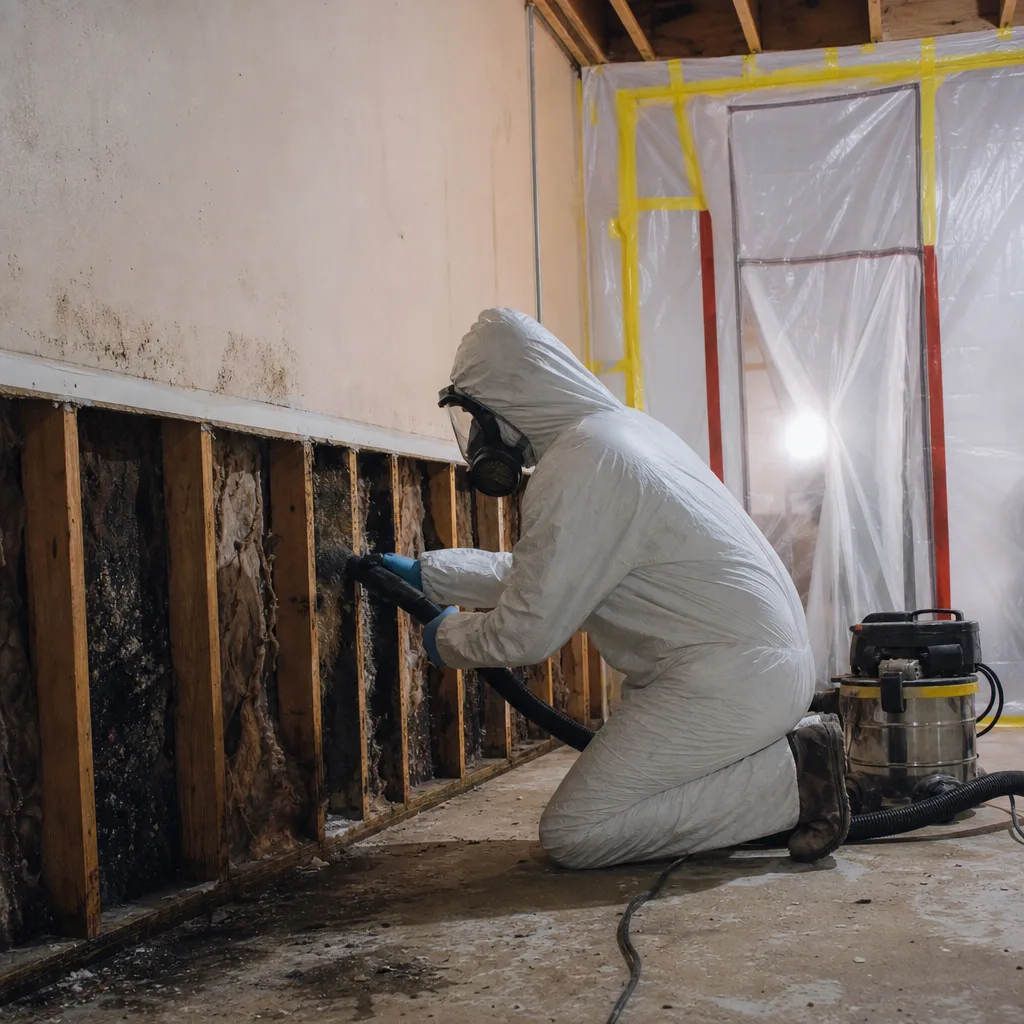
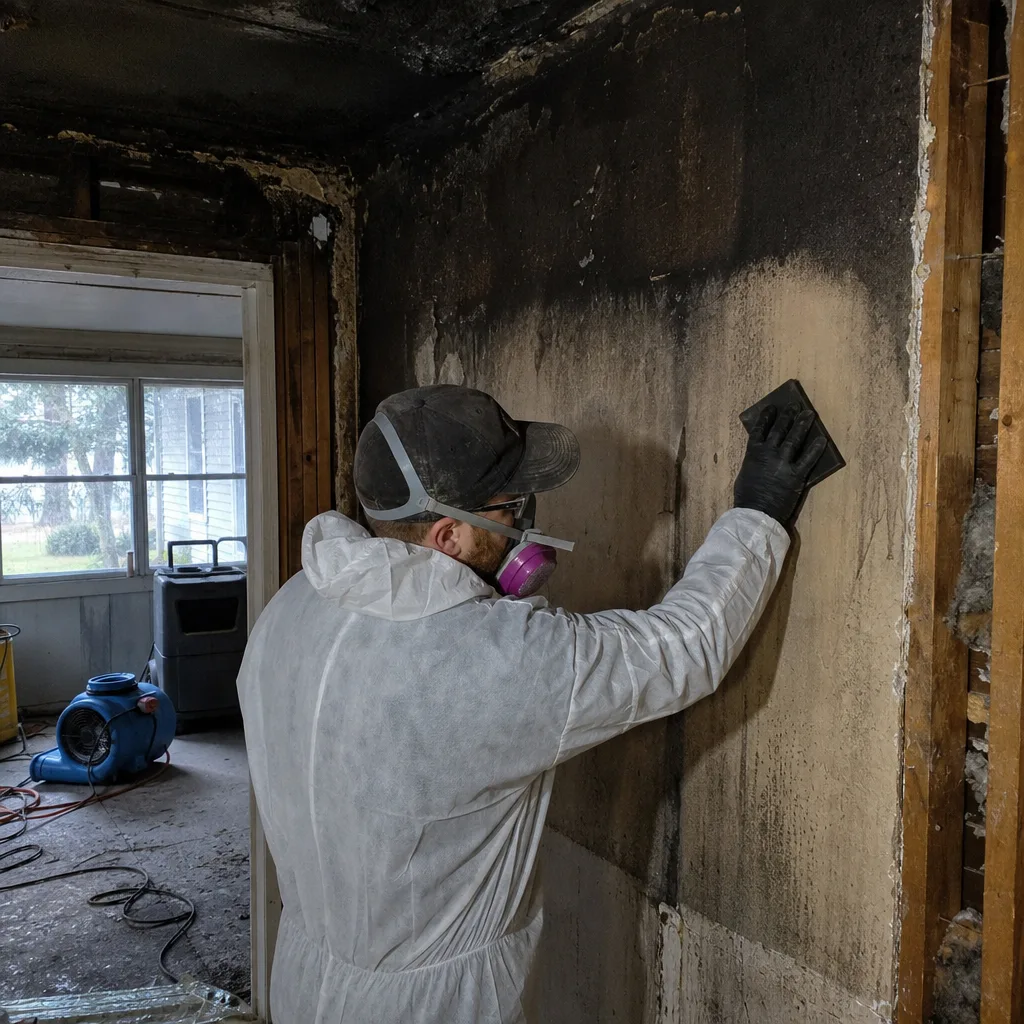
When the floor drain in your Big Lake basement starts pushing black water up instead of draining it down, you need extraction started within hours, not days. We bring truck-mounted extraction units and portable extractors to pull sewage out fast, then cut out saturated drywall, baseboard, and carpet pad before mold has time to move in. Every sewage backup in Big Lake gets treated as a potential Category 3 water loss, because that’s what it is.
Toilet Overflow Cleanup
A toilet overflow in a Big Lake bathroom can send contaminated water through the subfloor and into the ceiling below within minutes. We’ve seen a single overflow in a 2004 tract home on the north side soak engineered-wood joists so thoroughly that the bathroom floor felt spongy for a week. Our Sewage Cleanup team extracts the standing water, removes the affected flooring and drywall, and sets up drying equipment that actually fits the room, not just whatever’s on the truck.
Septic Failure Cleanup
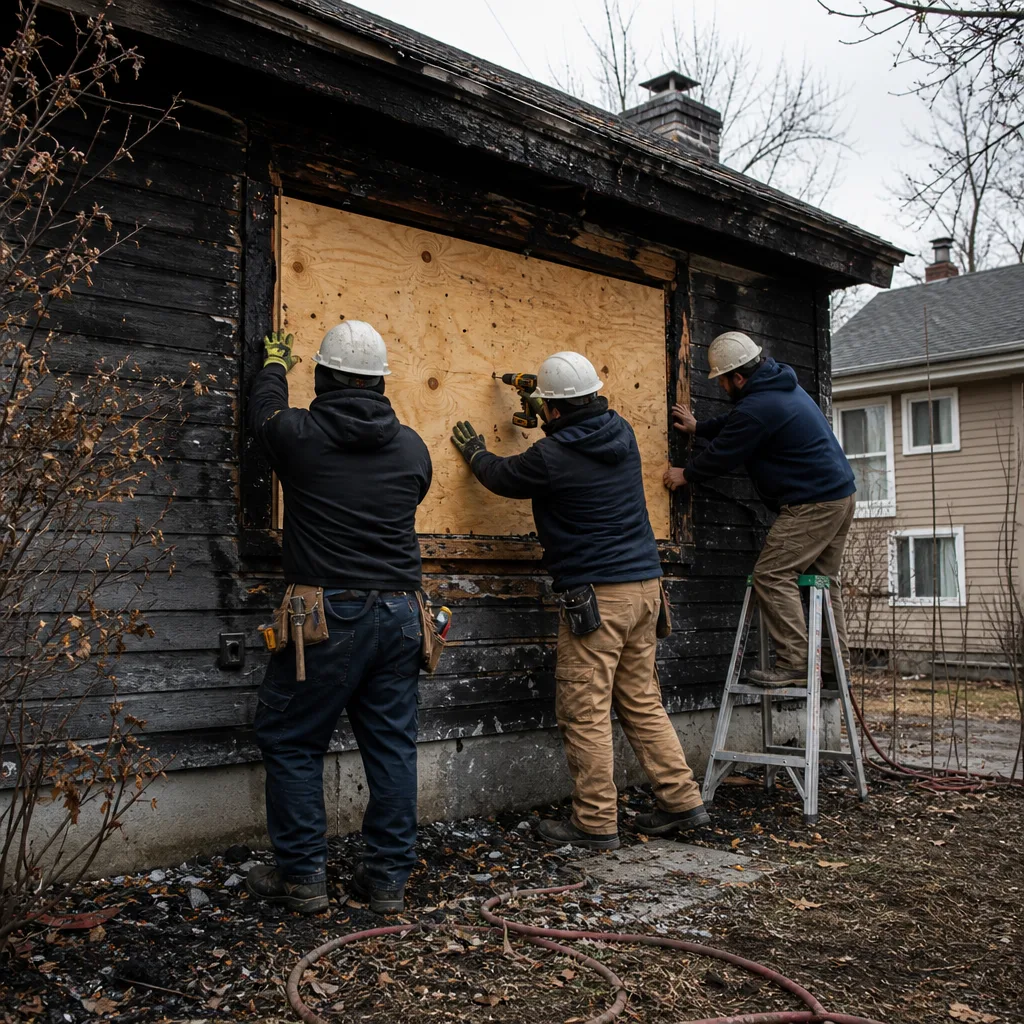
Big Lake’s septic failures are almost always tied to the soil. When spring snowmelt saturates sandy outwash soils, septic tanks can literally float, breaking pipes and spilling effluent into your yard or backing it up into your basement. If you’re on a septic system in Big Lake and you’re seeing sewage backup, slow drains, or wet spots in the yard, call before the next rain pushes more water into the system. We’ll extract what’s inside, but we’ll also help you figure out whether the issue is the tank, the lateral, or the drain field so you’re not cleaning up the same mess twice.
Black Water Extraction
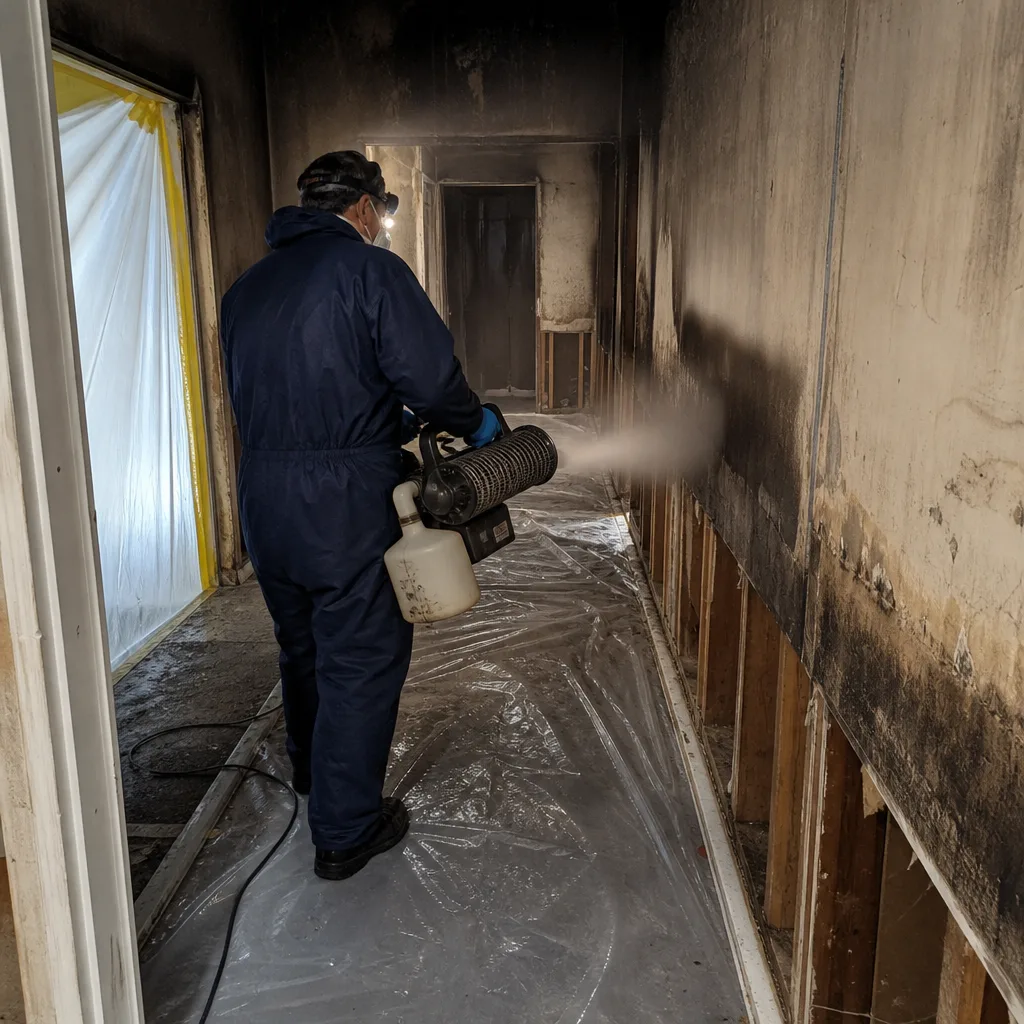
Black water is the classification for water contaminated with human waste, and Big Lake sees plenty of it. Whether it’s a sewer line collapse off 197th Avenue or a backed-up lift station near the park, black water in your home is a health hazard, not a DIY project. We remove the standing water, strip out contaminated materials, and run air scrubbers and dehumidifiers until the air in your basement is clean enough to breathe without a respirator. Then we disinfect every surface that touched the water. If you’re wondering whether it’s safe to sleep in your house tonight, call us at (888) 690-6095 and we’ll tell you straight.
What happens when you call
- 1
A real person answersNo phone trees - you reach a local pro.
- 2
You get an upfront price rangeHonest numbers before anyone is dispatched.
- 3
A background-checked tech heads outLicensed & insured, dispatched right away.
- 4
You approve before work beginsNothing starts until you say go.
Trusted Brands We Service in Big Lake
We don’t play favorites with equipment brands. Our trucks carry XPOWER air scrubbers and Injectidry drying systems because they hold up to the repetitive, damp, contaminated work that sewage jobs demand. When we set up drying in a Big Lake basement, we’re often running B-Air fans and Phoenix dehumidifiers for three to five days, and the equipment has to work the entire time. If you’ve had another restoration company out and the equipment kept shutting off or the air never stopped smelling sour, that’s usually a sign they used underpowered gear or skipped a step. We stock what we need for Big Lake’s specific housing stock, so we’re not waiting on parts shipped from somewhere else while your subfloor swells.
Common Sewage Cleanup Problems We See in Big Lake Homes
- OSB subflooring that swells fast. Big Lake’s late-90s and 2000s tract homes were built fast with oriented strand board subfloors that soak up sewage like a sponge. Within 48 hours, that OSB starts delaminating and losing structural strength. If extraction is delayed, the subfloor often has to be replaced entirely instead of dried.
- Ice dams forcing meltwater into wall cavities. Low-slope rooflines on Big Lake suburban homes make ice dams a regular winter problem. When meltwater runs down inside the wall and reaches a basement that’s already dealing with a sewage backup, you get a contaminated secondary damage layer that’s harder and more expensive to remediate.
- Septic tanks floating in saturated soils. When Big Lake’s sandy outwash soils fill with spring meltwater, septic tanks can rise and crack pipes. We see this every March and April, often in the same neighborhoods year after year. The fix isn’t just pumping the tank; it’s extracting the sewage from the basement and then addressing the soil movement so it doesn’t happen again next spring.
- Hydrostatic pressure pushing groundwater into cracked foundations. Two homes on the same Big Lake street can have identical sewage backups with completely different causes. One might be a broken lateral; the neighbor’s might be groundwater forcing its way up through a crack in the slab. You can’t dry either one properly until you know which one you’re dealing with.
Pricing for Sewage Cleanup in Big Lake, MN
Here’s what sewage cleanup actually costs in Big Lake. A basic toilet overflow with no structural damage runs $900-$1,800. A basement floor-drain backup with drywall removal and drying typically runs $1,800-$4,200 depending on how far the water traveled and how much drywall and flooring has to come out. Crawl space sewage removal runs $1,200-$2,500, with the higher end covering standing sewage in a low-clearance space that requires hand removal. Full black water extraction with structural drying, air scrubbing, and disinfection in a finished basement can hit $5,000-$9,000 when the contamination spread into finished rooms.
What moves the price is scope, not surprise fees. How much material is contaminated, how long the sewage sat, and whether your Big Lake home’s construction type means more demolition. We’ll give you a written quote before work starts, and if the final number is going to change, you’ll hear about it from Wade, not from a line item on an invoice. Call (888) 690-6095 for a free estimate, and if you have a written estimate from another company, bring it. Wade gives a free second opinion on any written estimate. No charge for that.
We Also Serve Cities Near Big Lake
If you’re in Monticello, Albertville, Elk River, or Otsego, the same crew that handles Big Lake sewage cleanup will come to you. We’re on the road in Sherburne County every day, so response times don’t stretch just because you’re a town over. And if your insurance adjuster needs us to coordinate with someone, Wade talks to them directly, no middleman.
Serving Big Lake, MN - Our Local Coverage Area
We’re based in the Big Lake area and know this community well. Use the map below to see our service coverage - if you’re nearby, we can almost certainly help.
FAQs - Sewage Cleanup in Big Lake
Freeze-thaw cycles in Big Lake put repeated stress on sewer laterals and foundation slabs, especially in 2000s tract homes built on the glacial soils that dominate the area. When the ground freezes and thaws, the soil shifts, and a lateral that was fine last fall can crack in February or shift in March. That’s why we see a spike in sewage backups every late winter and early spring in Big Lake. If your basement drain starts gurgling or backing up when the snow starts melting, call (888) 690-6095 before the floor drains turn into fountains.
Extraction alone won’t save a Big Lake crawl space that’s been contaminated with sewage. You need vapor barrier replacement, insulation removal if it wicked up the sewage, sanitization of the exposed soil and framing, and often structural drying because the tight space traps moisture. In crawl spaces under older Big Lake homes near the original townsite, we often find the vapor barrier was never installed correctly in the first place, which means redoing the whole thing. We’ll give you a written scope so you know what “done right” looks like before we start.
The short answer is soil. Big Lake’s glacial geology alternates between sandy outwash and clay lenses, often within a few hundred feet. A home sitting on sand has poor capillary drainage, which means groundwater moves through it easily and can push into cracked foundation walls. A home on clay holds water against the foundation and creates hydrostatic pressure that finds every crack. One house gets sewage backup from a shifted lateral, the next from groundwater intrusion. If your neighbors never have backups and you do, your soil profile is probably different, and you need a restoration contractor who knows how to diagnose the source before setting up fans. That’s what we do.
You have about 48 hours before OSB subflooring in a Big Lake tract home starts delaminating and losing structural integrity. Some floors show visible swelling within 24 hours if the sewage pooled in concentrated areas. The faster we get extraction started, the more subfloor can be saved. Call (888) 690-6095 as soon as you see standing water; don’t wait to see if it drains on its own. It won’t, and every hour makes the restoration more destructive and more expensive. If you call in the morning, Wade is usually on the road to Big Lake by noon.
Yes, and it happens in Big Lake every year. Spring snowmelt saturates the sandy outwash soils around your foundation, raising the water table and creating hydrostatic pressure that pushes groundwater up through cracks in your slab. That water brings soil and sometimes septic effluent with it, and it backs up through your floor drains. Your sewer line can be perfectly intact, and you’ll still get a backup. This is the most misdiagnosed sewage problem in Big Lake, because a plumber will scope the line, find no break, and tell you everything’s fine, while your basement fills with contaminated water. We look at the water source, not just the plumbing.
Written by Wade Ferris, Owner at Wade’s Restoration of Minneapolis. Serving Big Lake and all of Sherburne County. Call (888) 690-6095 any time, day or night. Wade answers.