

Fast, Reliable Storm & Disaster Restoration Across Minnetonka Mills
Storm and disaster restoration in Minnetonka Mills means knowing what this stretch of Hennepin County actually throws at a house, and that means two things above all: the spring creek and the winter roof. Most storm damage here is fairly predictable if you understand the 55305 housing stock and the Minnehaha Creek drainage behavior. We respond to storm damage in Minnetonka Mills within the hour, extraction equipment on the truck. Call (888) 690-6095 and Wade answers his own phone. If water is moving through your basement right now, he heads out immediately. That’s the whole point of being local.
Why Wade’s Restoration of Minneapolis Is Minnetonka Mills’s Preferred Storm & Disaster Restoration Company
Wade Ferris has been running Storm & Disaster Restoration crews in this part of Hennepin County since 2007, and people in Minnetonka Mills tend to hear about us the old-fashioned way: from a neighbor whose basement we dried out after the creek did what it does. Wade lives here, works here, and publishes his name and address and license number on every job. That matters in a place where you’ll see the same faces at the hardware store on Saturday.
Our response time to Minnetonka Mills is fast because we’re not driving in from some corporate staging hub. Wade’s crews know the routes around Excelsior Boulevard and Minnetonka Boulevard, know which blocks in 55305 sit low near the creek, and know that a call from a 1950s rambler near the water means something different than a call from a cul-de-sac up the hill. That local knowledge is not a marketing line. It’s the difference between showing up with the right plan and showing up to look around.
For Minnetonka Mills specifically, the trust equation runs through one fact: we deal with the insurance adjuster directly, and we hand you a written scope before work starts. No phone-call price that turns into something else at the door. Wade built this company on documented moisture logs and direct adjuster communication, and in this neighborhood that reputation travels.
Our Storm & Disaster Restoration Services in Minnetonka Mills
The storm work we do in Minnetonka Mills runs from fast emergency response to the slower, structural fixes that stop the same damage from coming back next season. Here’s how we handle each piece.
Flood Damage Restoration
Flood restoration in Minnetonka Mills is its own animal because of Minnehaha Creek. As the snowpack melts and the creek crests, saturated soils along the corridor push groundwater up into basements through foundations that were never waterproofed to modern standards. We show up with extraction pumps and B-Air air movers running within the hour, then set up perimeter containment and start logging moisture readings every day. If you’re in a 1950s or 1960s rambler near the creek, the water you see on the floor is often hydrostatic pressure, not surface runoff. That changes how we dry it and how we keep it from returning.
Storm Damage Cleanup
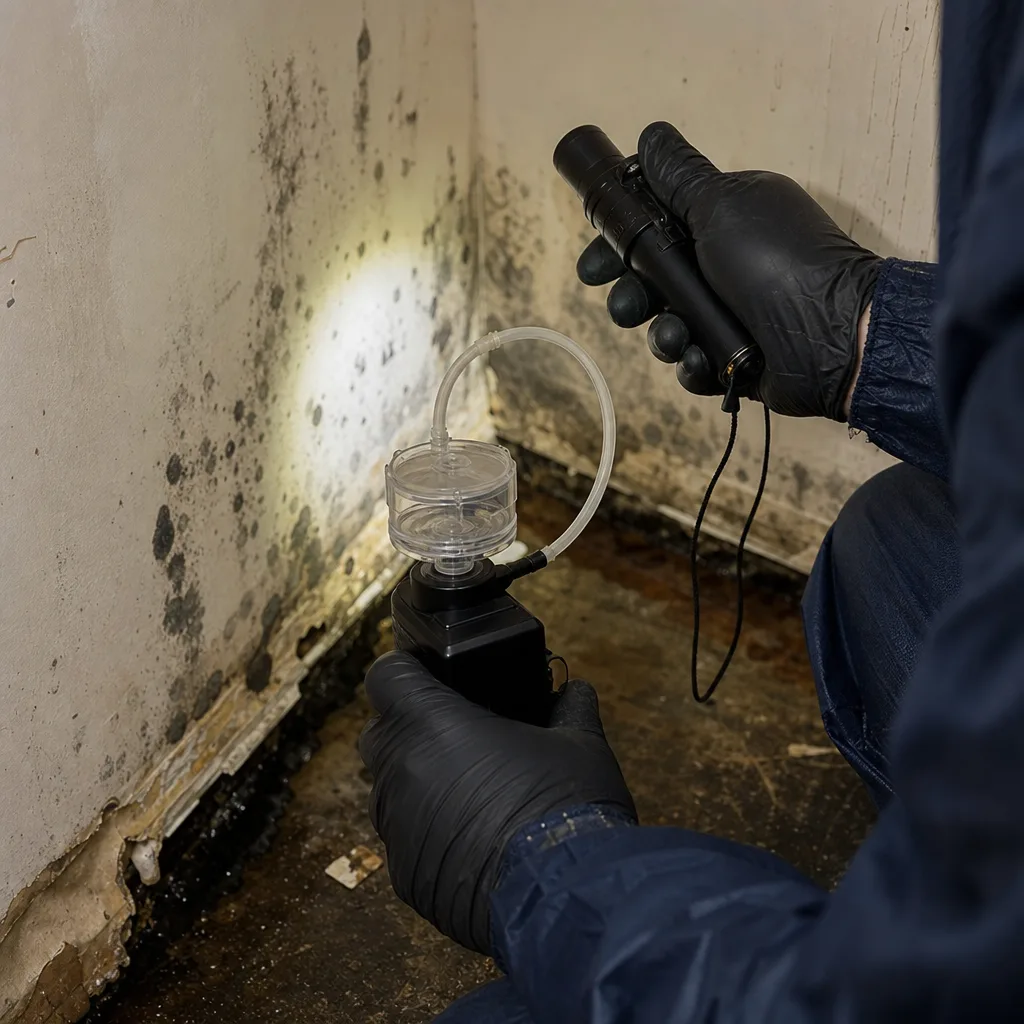
After high winds or heavy wet snow drop branches through a porch screen or peel a gutter off the fascia, the immediate job is clearing debris and stabilizing the opening before secondary damage sets in. Minnetonka Mills has a lot of mature tree canopy around the creek corridor, and wind events bring down limbs onto roofs and fences with regularity. We clear the debris, tarp the exposed area if needed, and document everything photographically for your insurance file.
Emergency Board-Up
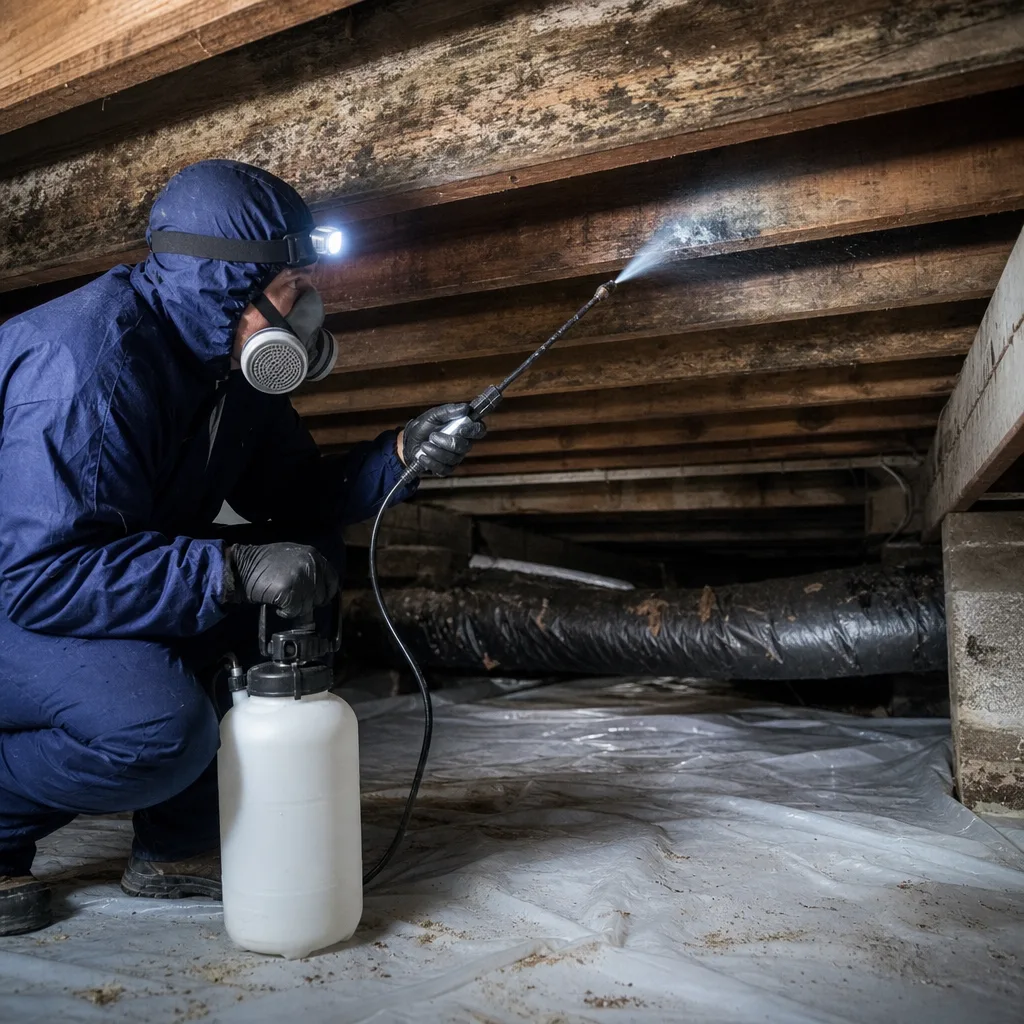
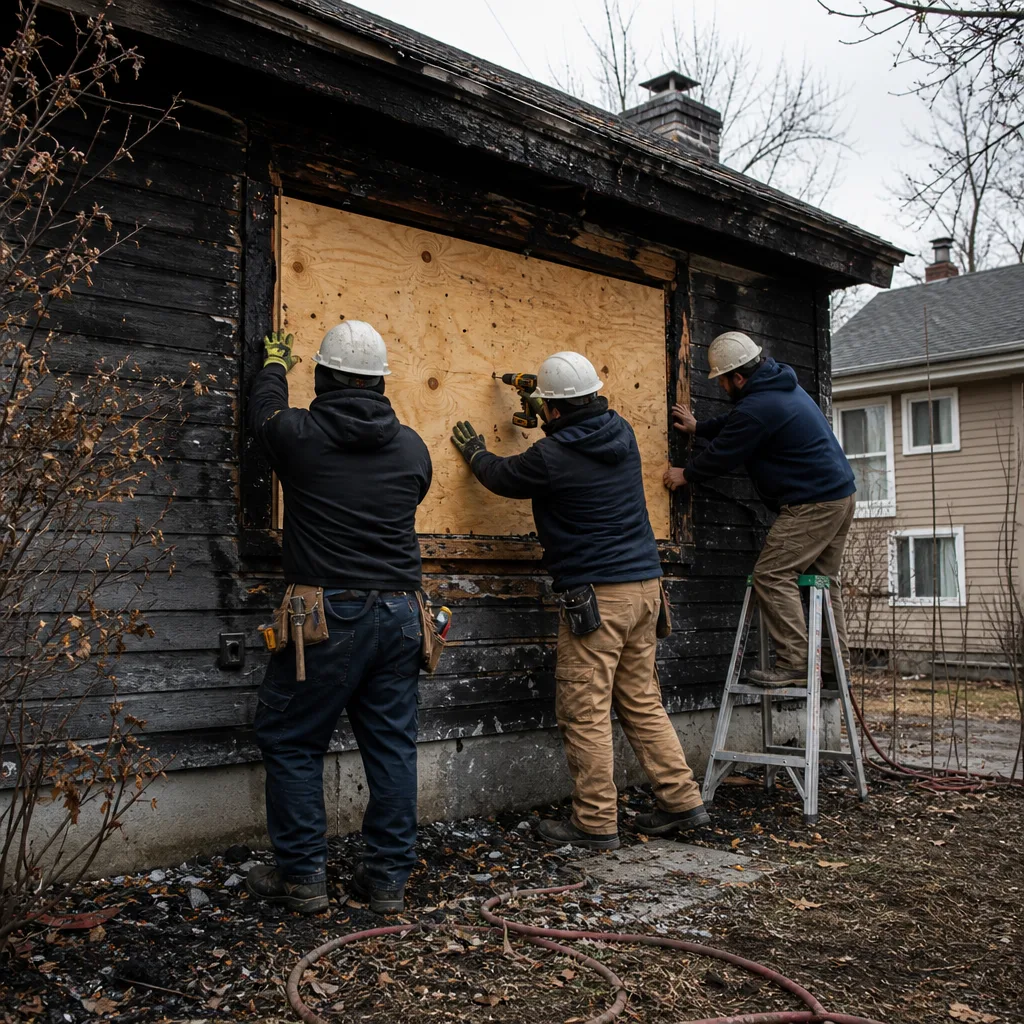
When a tree limb or wind-driven object breaches a window or door in Minnetonka Mills, you need that opening secured before rain gets in or someone gets hurt. We board up the opening with plywood, photograph the damage, and get a written scope to you and your adjuster the same day. No waiting until Monday. Storm damage doesn’t keep business hours and neither does Wade.
Roof Tarping
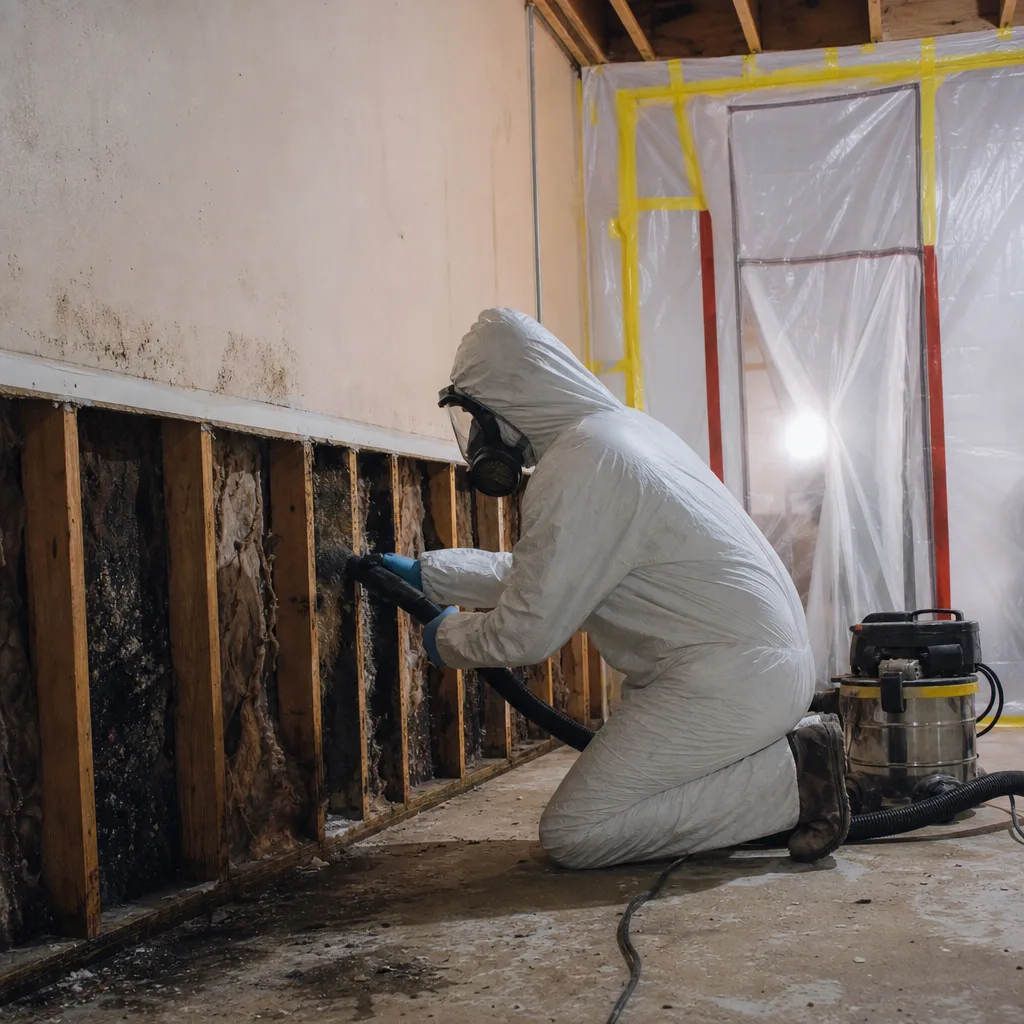
Roof tarping in Minnetonka Mills matters year-round because of the freeze-thaw cycle. A spring storm can tear shingles loose, and waiting on a roofer means water gets into the attic and runs down into wall cavities. We tarp the damaged section, secure it properly against Minnesota wind, and coordinate with your adjuster on the permanent repair. The tarp is a temporary fix, but a correctly installed one buys you weeks without further intrusion.
What happens when you call
- 1
A real person answersNo phone trees - you reach a local pro.
- 2
You get an upfront price rangeHonest numbers before anyone is dispatched.
- 3
A background-checked tech heads outLicensed & insured, dispatched right away.
- 4
You approve before work beginsNothing starts until you say go.
Trusted Brands We Service in Minnetonka Mills
We run professional-grade equipment from Dri-Eaz, XPOWER, Injectidry, and B-Air because Minnetonka Mills basements and crawl spaces don’t dry out on hope. For 55305 specifically, we keep parts and drying equipment staged for the post-crest window that follows Minnehaha Creek cresting each spring. That means we can get extraction and dehumidification running in a Minnetonka Mills basement without waiting on a supply run. Our crew is IICRC-certified and RIA-affiliated, and we bring the right machine for the job, not whatever fits in the truck.
Common Storm & Disaster Restoration Problems We See in Minnetonka Mills Homes
- Post-crest basement flooding, 48 to 72 hours after the creek peaks. This is the signature Minnetonka Mills problem. The creek visibly crests, the water recedes, and then the saturated soil transmits hydrostatic pressure through aging foundations. The basement floods days after people think the danger passed. If you live in the low-lying sections of 55305 near the creek corridor, do not treat peak flow as the end of the warning window.
- Ice dams on original 1950s and 1970s attics. Most homes in this ZIP were built with attic insulation far below current code minimums. Heat escapes, snow melts and refreezes at the eaves, and water backs up under the shingles into wall cavities. The interior water shows up days after the melt starts. Fixing the interior drywall without addressing the roofline guarantees the same dam forms next winter.
- Original drain tile that can’t keep pace with the elevated water table. Near the Minnehaha Creek basin, the water table rises fast in spring. Baseline perimeter drain tile from the 1960s was undersized for what happens when the creek-driven water table pushes up. Homes that never flooded during peak flow will still see seepage days later.
- Wind damage to mature trees near the creek corridor. The tree canopy along Mimmehaha Creek is part of what makes the neighborhood beautiful, but old box elders and elms shed limbs in wind events. A limb through a porch roof becomes a water intrusion problem within hours if it isn’t tarped and stabilized.
Pricing for Storm & Disaster Restoration in Minnetonka Mills, MN
Storm damage restoration in Minnetonka Mills runs a wide range because the scope depends on what actually happened. Emergency board-up typically runs $250 to $600 depending on the opening size and accessibility. Roof tarping on a Minnetonka Mills ranch or split-level usually lands between $350 and $800 for a single damaged section. Flood damage restoration with full extraction, drying, and daily moisture monitoring starts around $1,800 and runs to $6,000 or more when crawl spaces, original drain tile, and multiple rooms are involved. Ice dam water intrusion remediation in 1950s and 1970s attics typically runs $1,500 to $4,500 when you include the attic drying and the roofline retrofit to stop recurrence. We give you a written scope before work starts, and we deal with your adjuster directly. Call (888) 690-6095 for a free estimate.
We Also Serve Cities Near Minnetonka Mills
While this page is about storm and disaster work in Minnetonka Mills, Wade’s crews regularly respond across the surrounding west metro. We serve Hopkins, Minnetonka, Plymouth, and Saint Louis Park, and a call from any of those areas gets the same owner-on-the-phone treatment. For more on our full service area, see Storm & Disaster Restoration in Minnetonka Mills.
Serving Minnetonka Mills, MN - Our Local Coverage Area
We’re based in the Minnetonka Mills area and know this community well. Use the map below to see our service coverage - if you’re nearby, we can almost certainly help.
FAQs - Storm & Disaster Restoration in Minnetonka Mills
Because the flooding you see in the basement is hydrostatic pressure, not direct creek overflow. When the creek crests, the surrounding soils saturate. It takes 48 to 72 hours for that saturated water to build enough pressure to force its way through the aging block or poured-concrete foundations in ZIP 55305. The basement floods after the danger looks like it passed. If you live near the creek corridor, keep checking the basement for several days after the crest. Call (888) 690-6095 the day you see seepage, not the day the water reaches an inch.
In most Minnetonka Mills homes built in the 1950s through 1970s, the ice dam problem is an insulation and ventilation problem, not a roof problem. The roof deck itself is usually fine. The issue is heat loss through under-insulated attics. Sealing the attic floor, adding insulation to current code levels, and improving ridge and soffit ventilation stops the melt-refreeze cycle. A full roof replacement is rarely needed just to address ice dams unless the decking has rotted from years of water sitting under the shingles. We can assess that after we dry the attic and wall cavities from the current intrusion.
Watch for water appearing at the cove joint, the seam where the basement floor meets the wall. That’s where hydrostatic pressure finds the path of least resistance when the original 1960s drain tile can’t keep up with the elevated water table near Minnehaha Creek. Other signs are efflorescence, white powdery mineral staining on block walls, and a musty smell that appears every spring even when you don’t see standing water. If you’re seeing water at the cove joint each March and April, the drain tile is likely undersized for your location. That’s a fixable problem, and we can scope it for you.
Expect a crew that arrives with plywood, fasteners, and tarps already staged for your call. We board up the opening, tarp the roof section, and photograph everything before and after so the insurance file is complete. You’ll get a written scope that day. If the damage is from wind-driven tree limbs, we clear the debris from the house and yard access areas so you’re not working around a pile for a week. The goal is a secured house within hours, not days.
Yes, and that’s what makes Minnetonka Mills different from the inland suburbs. March and April bring the ice dam melt on the rooflines at the same time the snowpack is feeding Minnehaha Creek. We regularly see homes that need attic drying from an ice dam in the second week of March and basement flood restoration from the post-crest water table two weeks later. It’s a dual-peak calendar. If your home has both original attic insulation and an aging foundation near the creek, you should expect both issues to converge in the same spring window. Call (888) 690-6095 and Wade will come out and look at both before the thaw hits.
When Minnetonka Mills Basements Flood, the Timing Is the Tell
Here’s what no generic storm page will tell you: the worst basement flooding in Minnetonka Mills arrives 48 to 72 hours after Minnehaha Creek peaks. Not during the high water. After it. The creek visibly drops, the neighborhood exhales, and then the saturated soils along the corridor release that groundwater upward through foundations in ZIP 55305 that were never built to resist modern water table pressure. In a 1957 rambler a block off Minnehaha Creek, our crew arrived within that post-crest window to find foundation seepage forcing water through original drain tile that couldn’t keep pace with the creek-fed water table. We set up perimeter containment and Dri-Eaz dehumidifiers, then installed a crawl-space sump and sealed the original block walls with Injectidry epoxy to stop the recurring spring intrusion at the source.
That delayed surge is the defining storm damage story in this neighborhood, and it’s tied directly to the housing stock. The 55305 ZIP is dominated by post-war tract and custom homes from the 1950s through 1970s. These houses have low-to-moderate roof pitches and original attic insulation that falls far below current code minimums, which is why Minnetonka Mills sees ice dams every winter and water running down inside wall cavities every spring. Many of them also have original drain tile systems that were undersized even for the era, and certainly for the water table pressure near the Minnehaha Creek basin. Restoration here means understanding both failure modes and how they overlap.
This page gives Minnetonka Mills homeowners the only storm-restoration guidance that ties the 48 to 72 hour post-crest basement flood from Minnehaha Creek directly to the aging 1950s to 1970s housing stock in ZIP 55305, so you know when to act and what to retrofit before the next spring thaw. If you wait until you see creek water in your yard, you’ve missed the real warning window. The water that gets you here doesn’t announce itself. It arrives three days later through the floor.
Call Wade Directly and Skip the Runaround
If water is coming into your Minnetonka Mills basement, or a limb just went through a porch roof, call (888) 690-6095. Wade answers his own phone. He’ll tell you straight what needs to happen and what it’ll cost before work starts. Free estimate, written scope, direct adjuster coordination, and a 90-Day Done Right Promise on every storm, water, and mold restoration job. If it’s not done right, he fixes it. That’s the whole arrangement.
Written by Wade Ferris, Owner at Wade’s Restoration of Minneapolis, serving Minnetonka Mills and the west metro since 2007.