

Fast, Reliable Storm & Disaster Restoration Across Little Canada
When a storm rips through Little Canada, the damage doesn’t wait for business hours. Basements flood, roofs leak, and downed trees punch through garage doors. We get it. Wade’s Restoration has crews stationed to reach Little Canada fast, usually within the hour for water extraction. Call (888) 690-6095 and you’ll talk to a live person, not a voicemail tree. Wade Ferris himself answers his phone at 2 a.m., and he’ll tell you straight what needs to happen next.
Little Canada is a city we know block by block. The homes near Gervais Lake and Little Canada Lake fight water year-round, and when a storm hits, those fights turn into full-scale floods. Our Storm & Disaster Restoration team treats every Little Canada job like it’s our own house on the line. Because in a city this tight-knit, it probably belongs to someone we’ll see at the hardware store next Saturday.
Why Wade’s Restoration of Minneapolis Is Little Canada’s Preferred Storm & Disaster Restoration Company
Wade started this company in 2007, and he’s been straight-dealing with Ramsey County homeowners ever since. The name on the truck is Wade’s, and the guy who shows up is Wade or someone he’s trained personally. Ask anyone on your street. In Little Canada, word travels fast, and we’ve built our reputation one flooded basement at a time. No answering service, no national call center, no stranger with a clipboard. Just a local crew that knows what a 1960s split-level on a lake-adjacent lot does when the water table spikes.
Little Canada homeowners call us because we’ve seen what happens when restoration gets done halfway. A basement near Gervais Lake gets dried out, the crew leaves, and six months later the mold is back. Why? Because nobody dealt with the hydrostatic pressure pushing water through the concrete block. That’s the kind of thing we catch before we ever hand you a bill. We take moisture readings every single day and give you the full log when the job’s done. Nobody else around here does that.
Our crews are background-checked, uniformed, and certified through IICRC and RIA. We run Dri-Eaz dehumidifiers, XPOWER air movers, and Injectidry systems professional-grade equipment that gets water out of places box fans never will. And every water, fire, and mold job comes with our 90-Day Done Right Promise in writing. If it’s not done right, Wade comes back and makes it right. No arguing, no fine print.
Our Storm & Disaster Restoration Services in Little Canada
Flood Damage Restoration
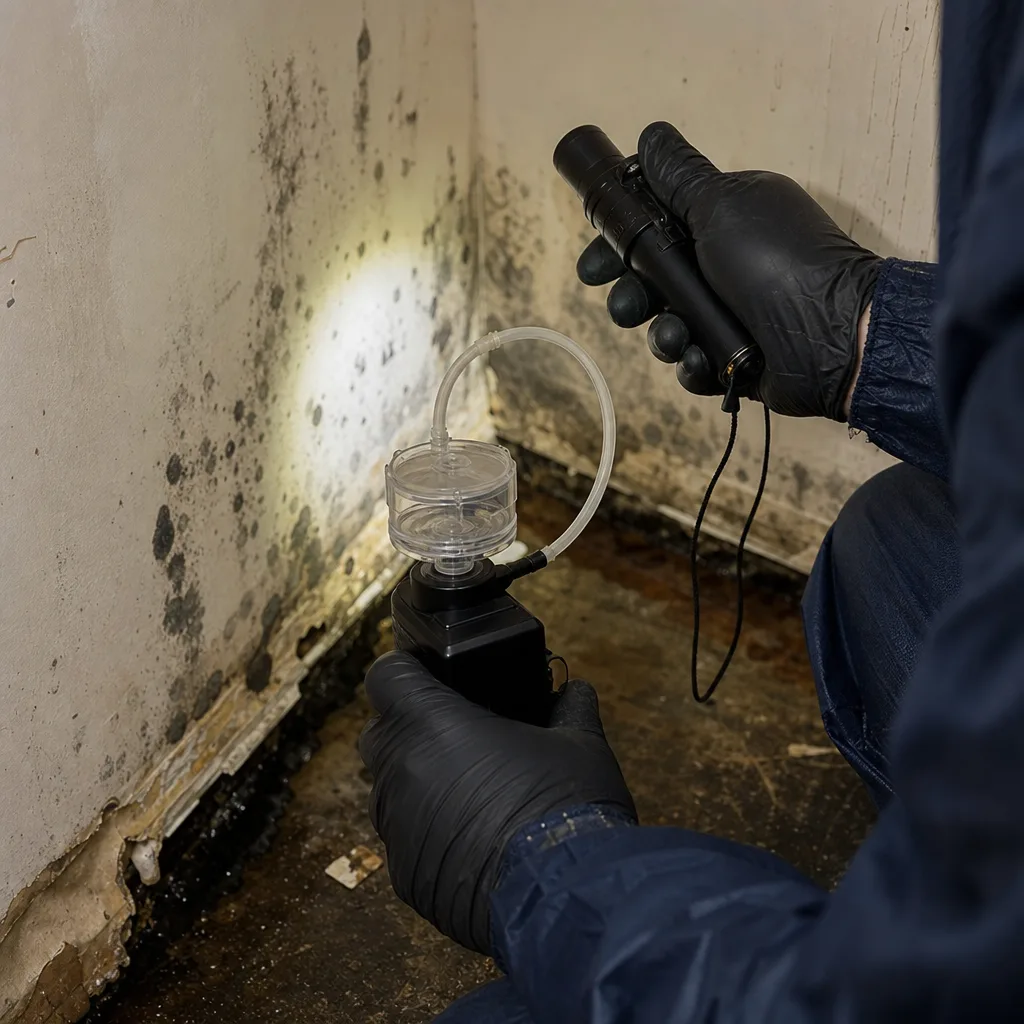
Flooding is the big one in Little Canada, and it’s not just during spring thaw. The city’s lakes sit close to the surface, and older basements on concrete-block foundations wick water through walls even in dry spells. When a July thunderstorm dumps three inches in an hour, those basements turn into ponds. Our flood restoration starts with extraction running inside the hour, not next day. We pump, we dry, we map where the water came in, and we tell you if you need a perimeter drain retrofit before we call the job done. A typical flood restoration in Little Canada runs $2,800-$6,500 depending on square footage and how long the water sat.
Emergency Board-Up
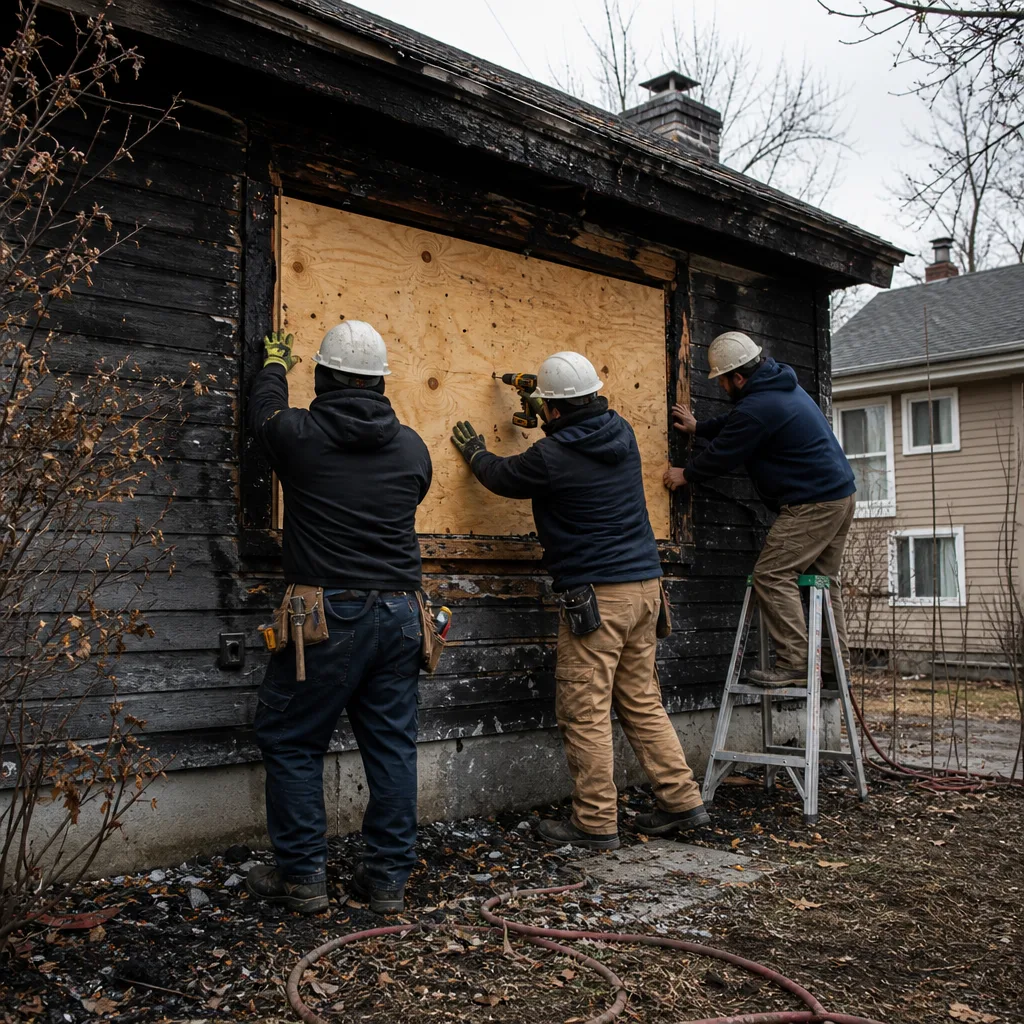
When a storm knocks a tree limb through your picture window or rips off a garage door panel, the house is wide open to weather, animals, and the next storm. Emergency board-up in Little Canada usually runs $350-$900, and we can get it done the same day you call. Our crews carry plywood, fasteners, and tarps on the truck. We don’t make you wait for a “materials run” while your living room soaks. For homes on the lake side of the city, speed matters double. Another band of rain moves in fast, and an open window becomes a waterfall.
Roof Tarping
Little Canada’s ranch and split-level homes from the 1960s and 70s have low-pitched roofs that hold snow, form ice dams, and leak into attics every winter. When a summer microburst tears shingles off, the same roofs let rain pour straight through. Roof tarping buys you time to file an insurance claim and schedule a proper repair. Expect $400-$1,100 for tarping in Little Canada, including anchor boards and water-tight sealing. We document everything with photos, which your adjuster will want.
Debris Removal
Storms leave more than water. Branches, shingles, shattered glass, and the neighbor’s lawn furniture all end up in your yard or worse, against your foundation. Debris removal in Little Canada typically runs $250-$600 for a single storm event, and it’s often the first thing insurance will reimburse. But here’s the thing: debris piled against a basement wall holds moisture right where you don’t want it. Get it gone, then get the wall checked. We do both in the same visit.
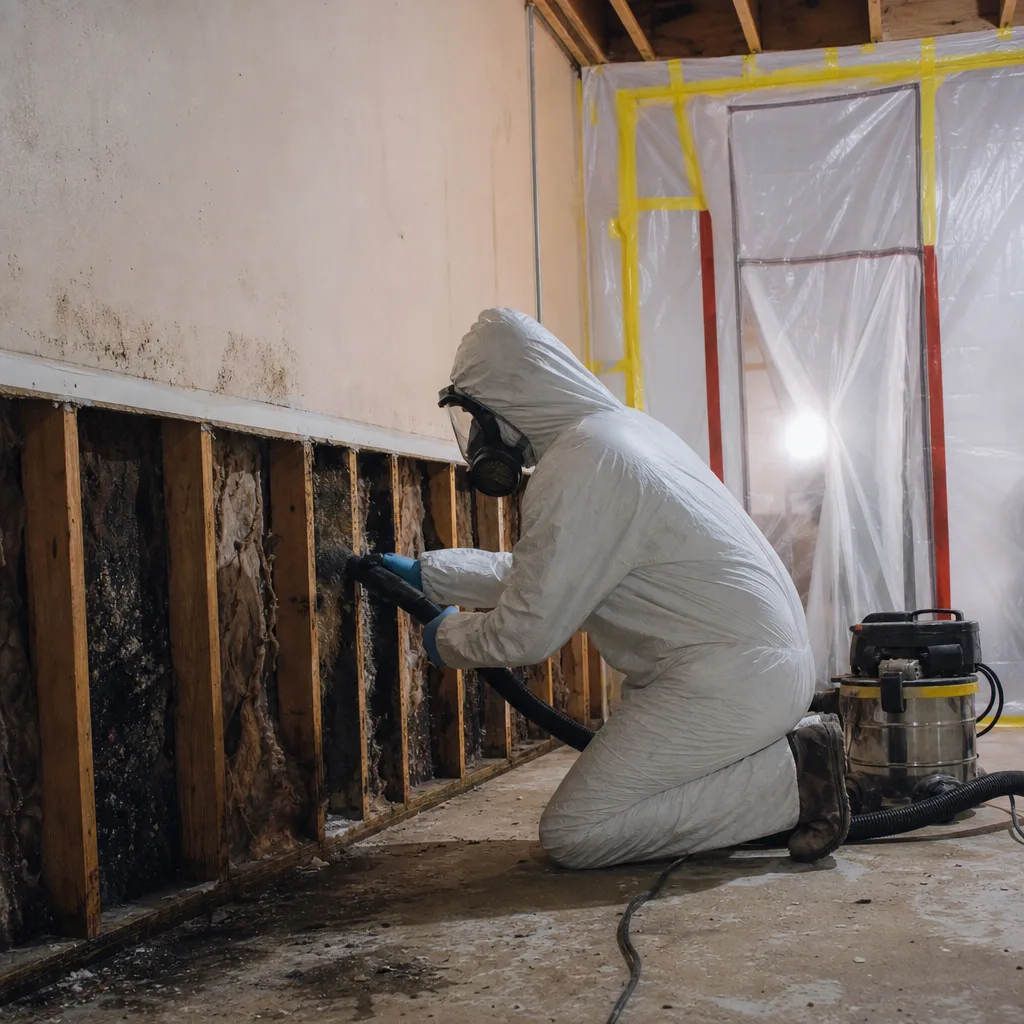
When storm cleanup in Little Canada takes place, the damage rarely stops at one problem. Water in the basement means soaked drywall and carpet, which means mold risk if it’s not dried with proper equipment within 48 hours. Our Little Canada restoration crews handle the whole sequence, so you’re not juggling three different companies while your house sits wet.
What happens when you call
- 1
A real person answersNo phone trees - you reach a local pro.
- 2
You get an upfront price rangeHonest numbers before anyone is dispatched.
- 3
A background-checked tech heads outLicensed & insured, dispatched right away.
- 4
You approve before work beginsNothing starts until you say go.
Common Storm & Disaster Restoration Problems We See in Little Canada Homes
- Basement wall cracks from frost heave. Minnesota winters freeze the ground hard, then spring thaws it fast. That cycle shifts foundations on lake-adjacent lots, opening hairline cracks that become water entry points. We see this on nearly every older Little Canada home we’re called to after a storm.
- Sump pumps that die mid-thaw. A pump from the 2000s wasn’t built for the volume of meltwater that pours into Gervais and Little Canada Lake each spring. When it burns out overnight, the basement floods by breakfast. We install high-capacity pumps with battery back-ups so one power outage doesn’t cost you a finished basement.
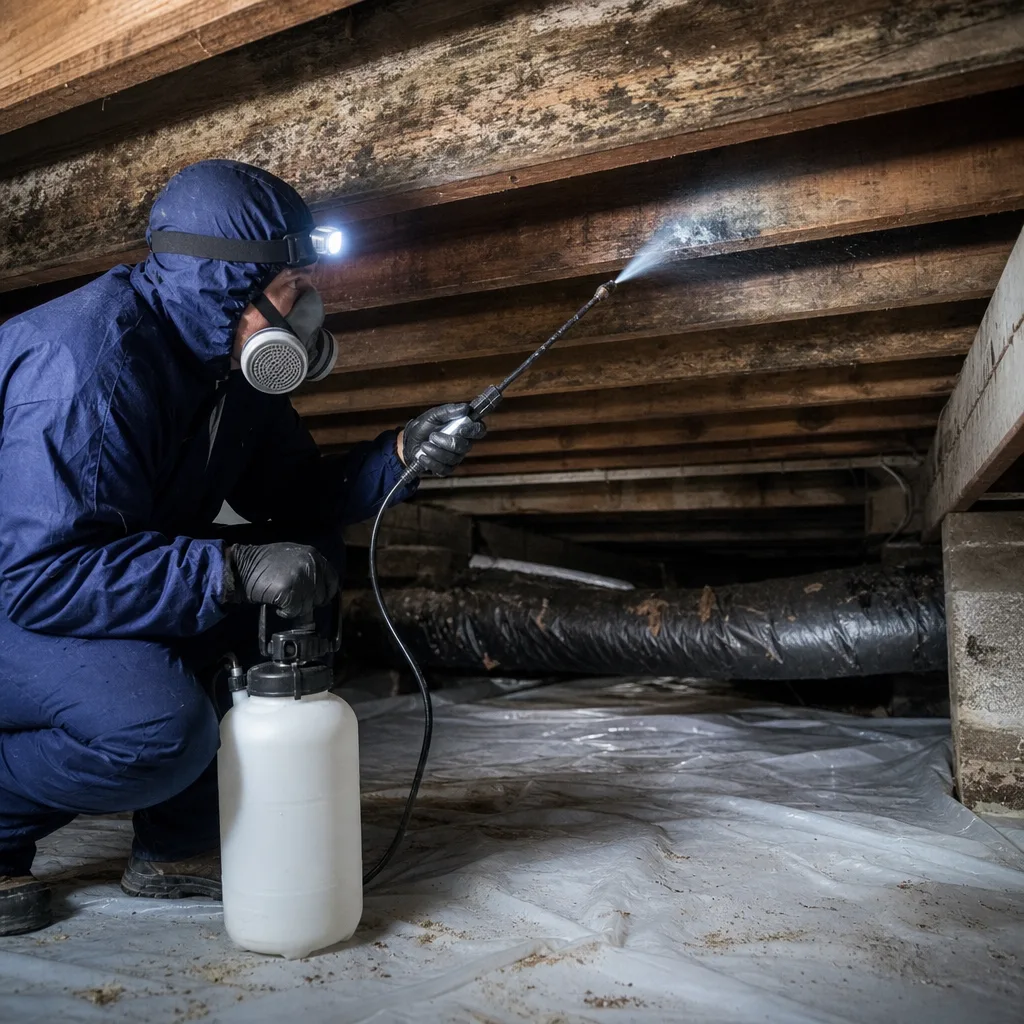
- Ice-dam attic mold on ranch roofs. The low-pitched roofs all over Little Canada trap snow, which melts and refreezes at the eaves. Water backs up under shingles and soaks attic insulation. By the time you see the ceiling stain, mold has been growing for weeks. We rip out the wet insulation, dry the attic, and treat the mold before it spreads through the house.
- Hydrostatic pressure pushing through concrete block. This one’s specific to lake-adjacent lots. Water doesn’t just flow into your basement from above ground. It pushes upward and sideways through the porous block walls. Even a dry basement can be getting saturated from behind. We map those entry points and fix them, not just the visible water.
Pricing for Storm & Disaster Restoration in Little Canada, MN
Here’s what we’ve seen on recent Little Canada jobs, straight numbers, no games:
- Basement water extraction and drying: $1,800-$4,200 depending on square footage and how fast we get there.
- Flood cut, drywall removal, and sanitizing: $2,500-$5,800 for a typical finished basement.
- Emergency board-up (single opening): $350-$600. Multiple openings or full garage door: $700-$1,200.
- Roof tarping (single roof section): $400-$900. Full-home tarping after a major wind event: $1,000-$2,400.
- Debris removal and haul-away: $250-$600 per truckload, with single-storm cleanups usually landing around $400-$800 total.
Cost moves with how long the water sits, how much drywall and insulation has to come out, and whether we’re addressing the moisture source or just the aftermath. On a home near Gervais Lake, that last piece matters. We’ll give you a written scope before we start, so the number we quote is the number you pay. Estimates are free. Call (888) 690-6095 and we’ll walk you through it.
Trusted Brands We Service in Little Canada
We run equipment from Dri-Eaz, XPOWER, B-Air, and Injectidry the brands that professional restoration companies actually use. We keep air movers, dehus, and extraction units stocked locally, so a Little Canada job doesn’t wait on a shipment from a warehouse in another state. Our techs hold IICRC and RIA certifications, which means the drying logs and moisture maps we hand you are done to industry standard. When your adjuster asks for documentation, we give them the full file. Photo-by-photo, reading-by-reading.
We Also Serve Cities Near Little Canada
Little Canada is our home base in this part of Ramsey County, and we’re on the road every day to Roseville, Falcon Heights, Saint Paul, and Arden Hills. If you live just across the border in any of those communities, the same crew, same response time, same written-scope pricing applies. Storm damage doesn’t respect city limits, and neither do we.
Serving Little Canada, MN - Our Local Coverage Area
We’re based in the Little Canada area and know this community well. Use the map below to see our service coverage - if you’re nearby, we can almost certainly help.
FAQs - Storm & Disaster Restoration in Little Canada
If your sump pump cycles in January, it means groundwater is already pushing against your foundation, and that’s a red flag. In Little Canada, the water table around Gervais and Little Canada Lake stays high year-round, so a January pump cycle isn’t a fluke. It’s hydrostatic pressure announcing itself. You should have the basement walls checked for moisture intrusion before spring thaw adds a few hundred more gallons per day. Call (888) 690-6095 and we’ll do a moisture assessment, no charge for the trip inside the county.
Look for a line of icicles along the gutter while the rest of the roof is clear. On Little Canada’s 1960s and 70s ranches, that’s the classic ice dam signature. It means melting snow is refreezing at the eave and backing water up under the shingles. Before the storm even hits, check your attic for damp spots near the exterior walls. If you see them, you’ve already got a leak in progress. We can tarp and then address the underlying ventilation and insulation problem, not just mop up.
Because on lake-adjacent lots, mold is almost never a standalone problem. Water is getting into the basement through cracks, pores, or a failed sump system, and the mold is just the visible symptom. A proper invoice includes the remediation, the mold removal, and the entry-point mapping so we can show you exactly where the water is coming from. Skip that last part and you’re paying for mold removal again next wet season. We write our scopes the right way the first time. Call us at (888) 690-6095 for a free estimate.
Little Canada packs multiple lakes into less than three square miles, which means the water table here behaves differently. In Vadnais Heights or Maplewood, a flooded basement is often a one-time event, a burst pipe or a single heavy storm. In Little Canada, especially near Gervais Lake, it’s a chronic condition. The same basement that floods in April was probably damp in October. That changes the restoration approach. You can’t just dry it out and walk away. The moisture source has to be mapped and addressed, or you’re just renting time between floods.
No, and here’s why that’s the wrong instinct. The storm isn’t the only water source. A tarped roof gives you time before the next rain, but a wide-open hole means that even morning dew works into your attic and walls. For a 1970s split-level in Little Canada, the structure is already fifty years old, and the more moisture it absorbs, the more expensive the repair. Board-up isn’t a convenience step. It’s the thing that stops a $600 window replacement from becoming a $4,000 wall rebuild. Call (888) 690-6095 and we’ll have a crew there inside the hour.
Storm Damage in Little Canada: The Local Reality
Little Canada packs more shoreline per square foot than most cities in Ramsey County. Gervais Lake and Little Canada Lake sit right in the middle of a city that’s barely 2.5 square miles total. That geography shapes every restoration job we do here. Homes even a few blocks from open water sit on soils that stay saturated year-round, pressing against 1950s-to-1970s concrete-block foundations that were never built with modern waterproofing. When a storm moves through, the water table spikes, and what would be a minor leak in Roseville becomes a full basement flood in Little Canada. The damage restoration needs here are just different.
But there’s a pattern we’ve learned from years of work on these streets. On the blocks nearest the lakes, the sump pump running in January is the tell. It means water is already there, under the slab, pushing against the walls. If you see it, call us before the spring melt. One visit, one moisture map, and we can usually catch the problem before it becomes a claim. And if the storm’s already hit, we’ll be there inside the hour. That’s what local means.
Written by Wade Ferris, Owner at Wade’s Restoration of Minneapolis, serving Little Canada since 2007.