
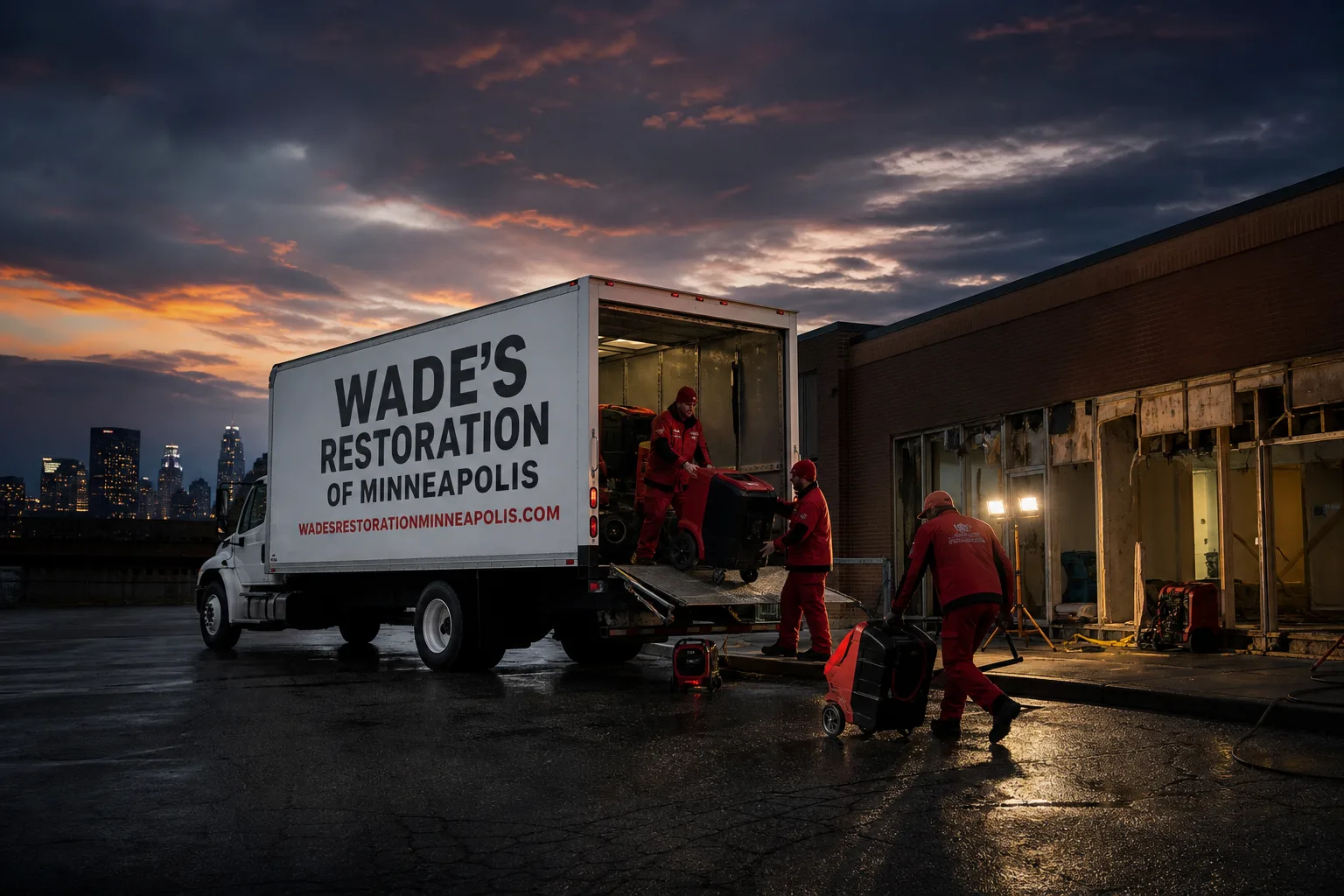
Fast, Reliable Sewage Cleanup Across Saint Paul
Sewage cleanup in Saint Paul typically runs $1,800-$4,500 for a standard basement backup, and in older Frogtown or East Side homes with combined-sewer backflow, you’re often looking at $4,000-$8,000 once hazmat protocols and structural drying kick in. We know that range sounds steep; it’s the reality of doing this work right in century-old housing stock. Call Wade’s crew at (888) 690-6095 and you’ll get a straight answer before we ever set foot in the door. Wade Ferris answers his own phone, and he’ll tell you what he’d do if it were his house.
Why Wade’s Restoration of Minneapolis Is Saint Paul’s Preferred Sewage Cleanup Company
Wade’s Restoration was founded in 2007 by Wade Ferris, and he still answers his own cell at 2 a.m. when a Saint Paul homeowner finds black water coming up through a floor drain in Payne-Phalen. That’s not a marketing line. It’s how the company runs. The name on the truck is the guy who shows up, and that matters when someone’s about to cut into your parents’ 1912 plaster walls.
We work in Saint Paul neighborhoods like Frogtown, the East Side, and Dayton’s Bluff more weeks than not. The homes there are a different animal: pre-1940 wood frame, original lath, rubble-stone basements, and a combined sewer system that backs up during spring melt in ways a suburban outfit in Maplewood rarely sees. Wade’s crew knows a black water ring around a floor drain in a 55117 basement isn’t seepage. It’s Category 3. We treat it that way from the first phone call.
Our Saint Paul customers don’t get handed off to a call center. Wade himself picks up. A background-checked, uniformed crew in a marked truck heads out from our Minneapolis-St Paul office, usually inside the hour on a sewage call. Every job is covered by our 90-Day Done Right Promise in writing. If it’s not done right, Wade makes it right. Ask anyone on your street about that. Chances are somebody’s already used him.
Our Sewage Cleanup Services in Saint Paul
Here’s what we actually do when sewage backs up in a Saint Paul home. And here’s why the doing matters more than the equipment, though we bring both.
Sewage Backup Cleanup
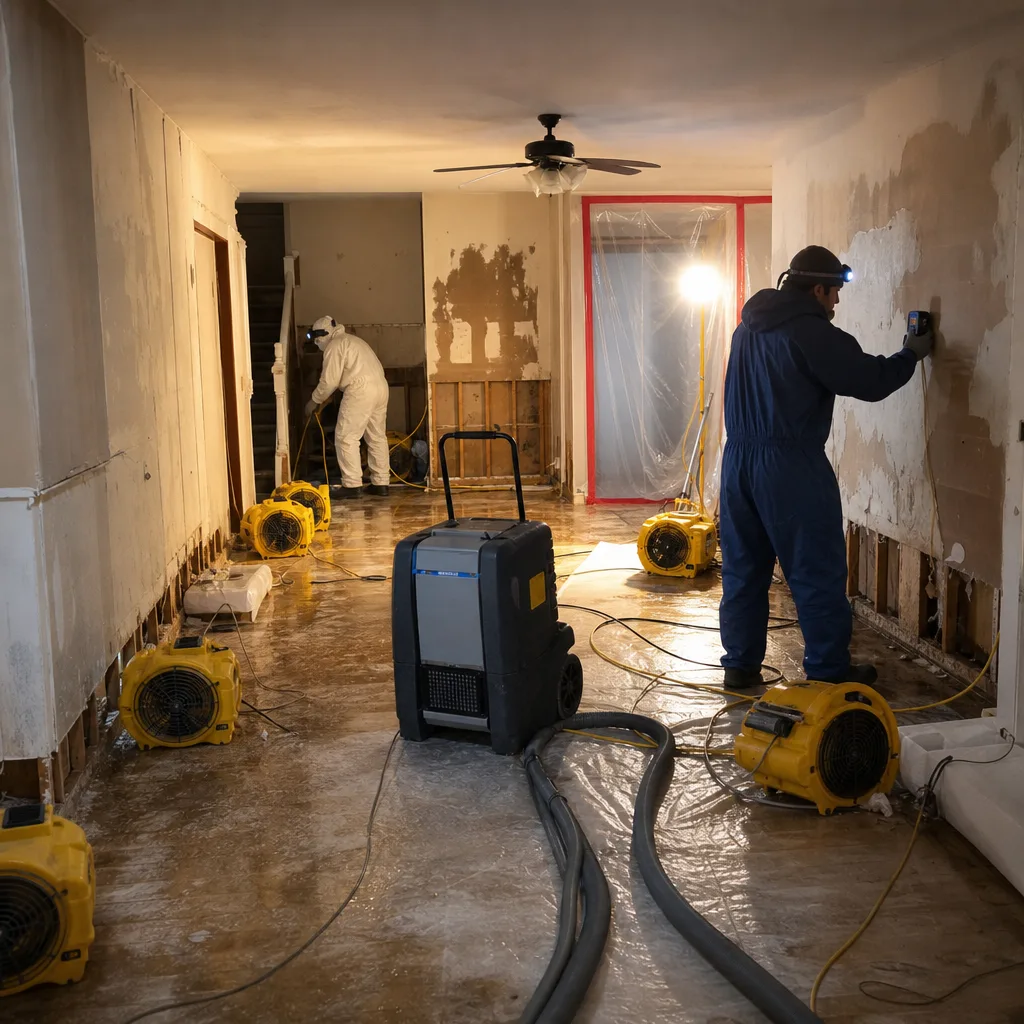
A floor drain that suddenly starts flowing backward in a Frogtown basement is usually one of two things: a city combined-sewer surcharge or a collapsed lateral on the homeowner’s side of the property line. In either case, that water is Category 3: pathogens, bacteria, whatever the neighbors flushed. We extract it, cut out anything saturated, dry what’s left with equipment set for old plaster and soft brick, and sanitize with an EPA-registered disinfectant. You don’t want a handyman with a shop vac on this one.
Toilet Overflow Cleanup
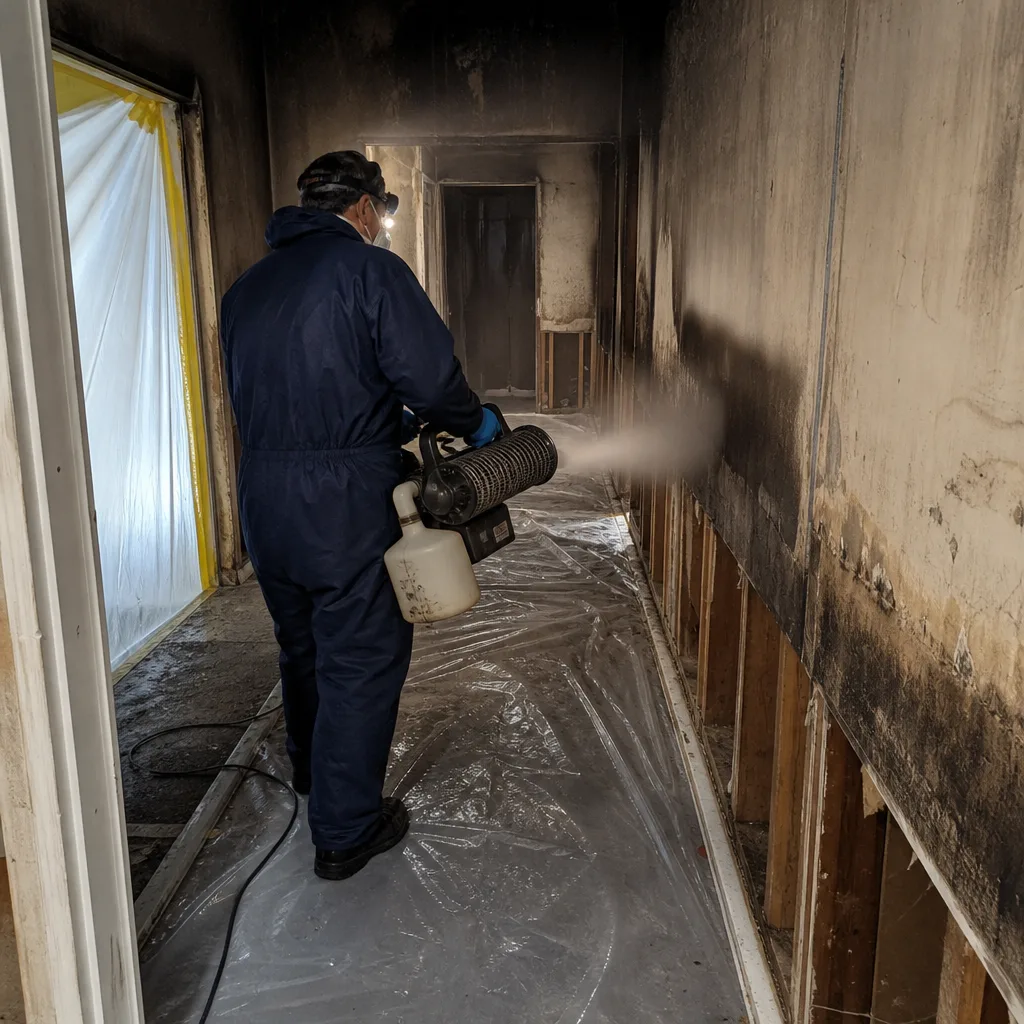
Toilet overflows in Saint Paul’s older housing stock are rarely just toilet overflows. The sewer lines under Dayton’s Bluff and the East Side include clay tile and early cast iron that’s been shifting in freeze-thaw cycles for 80, 90, 100 years. A overflowing toilet on the second floor of a brick four-plex sends contaminated water down into plaster ceilings below. We handle the extraction, the containment, and the insurance documentation so you’re not fighting your adjuster over line items at 11 p.m.
Septic Failure Cleanup
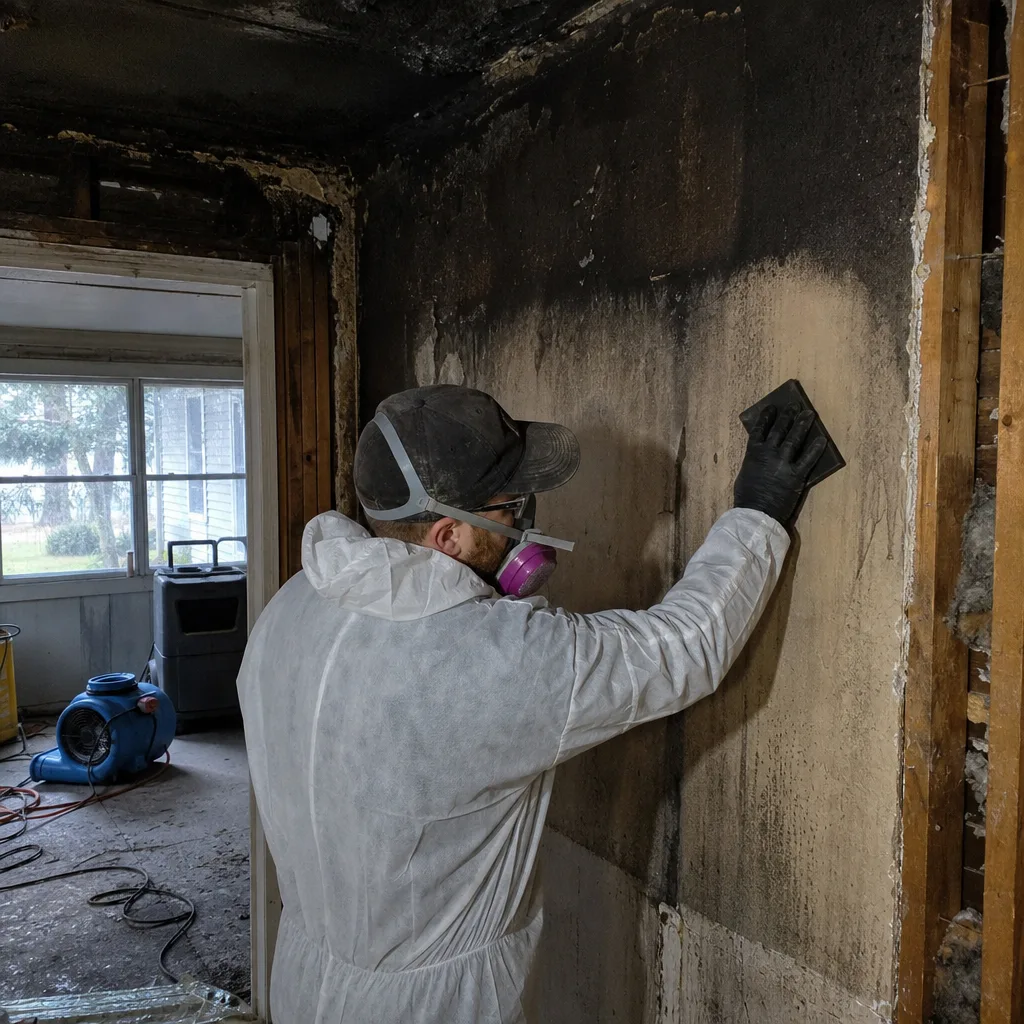
Septic systems fail in Saint Paul’s outer reaches and in pockets of the 55119 and 55120 ZIP codes where homes were built before municipal sewer lines reached them. When a septic field saturates and backs into a crawl space or basement, that’s biological contamination that spreads fast. We remove the sewage, strip the saturated material, dry the structure, and then hand you a full moisture log so you can see exactly what was done. Nobody else we know in this market gives homeowners that log at the end of the job. Wade does, every time.
Black Water Extraction
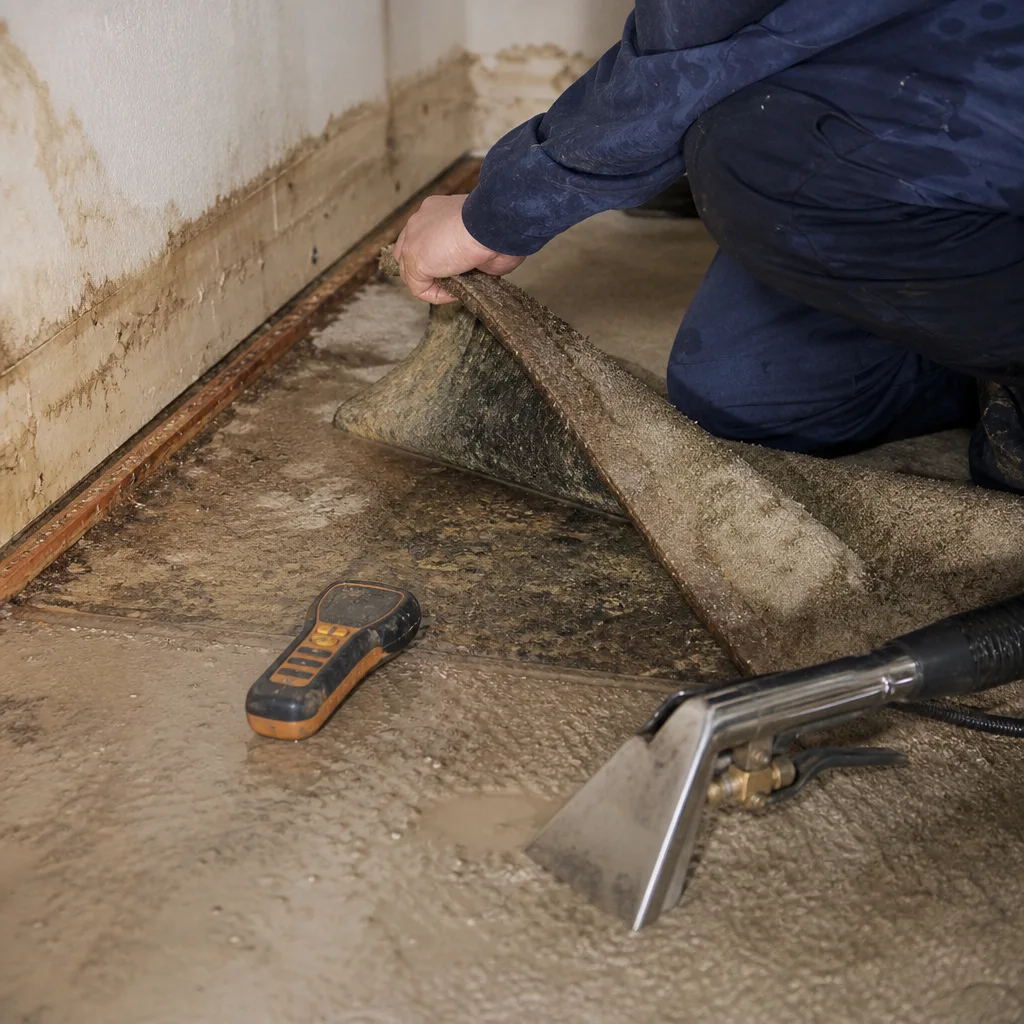
Black water means sewage, period. Groundwater from a foundation crack is one thing. Water that has touched human waste is a hazmat situation, especially in a pre-1940 home with shared walls and no modern vapor barrier. We use truck-mounted extraction units and HEPA-filtered air scrubbers. In a Saint Paul basement with low clearance and rubble-stone walls, that’s slower work. We take the time anyway. Rushing aerosolizes the contamination into the living space.
What happens when you call
- 1
A real person answersNo phone trees - you reach a local pro.
- 2
You get an upfront price rangeHonest numbers before anyone is dispatched.
- 3
A background-checked tech heads outLicensed & insured, dispatched right away.
- 4
You approve before work beginsNothing starts until you say go.
Trusted Brands We Service in Saint Paul
We don’t badge-engineer our work. The equipment in our trucks is the same stuff IICRC training manuals assume you have: Dri-Eaz dehumidifiers, Phoenix truck-mounted extractors, B-Air negative air machines, and Injectidry systems for hard-to-reach cavities. In a Saint Paul four-plex with a sewage backup under a shared wall, that Injectidry setup is often the difference between drying a cavity and rebuilding it. We stock replacement filters and fittings for these systems, which means we’re not waiting on a parts house in Bloomington when your basement is sitting wet.
Common Sewage Cleanup Problems We See in Saint Paul Homes
- Combined sewer backflow disguised as groundwater. In Frogtown and the East Side, a backup through the floor drain leaves a dark ring and a smell people blame on the foundation. It’s sewage. We verify with testing before anyone starts fans. Missing this is how a $2,000 cleanup becomes a $25,000 gut.
- Fans and air movers aerosolizing pathogens in tight old homes. A standard water job gets standard air movement. A sewage job in a 1915 wood-frame house with shared walls needs containment first, negative air pressure, and fans set low. We do that. Most crews skip it.
- Hidden sewage under original flooring. Saint Paul’s older homes have layers: linoleum over hardwood over subfloor over joists. Sewage gets between every seam. You can’t just mop the top. We lift and inspect, which means we find what the last guy didn’t want to find.
- Lead paint and asbestos triggered by sewage cuts. Any time we open wet plaster or pull baseboards in a pre-1978 Saint Paul property, lead-safe work practices and asbestos checks are mandatory. We treat that as baseline, not an upsell. Turning a sewage cleanup into a regulatory violation is worse than the original backup.
Pricing for Sewage Cleanup in Saint Paul, MN
Here are honest numbers for Saint Paul’s market, based on what we’ve charged over the past few years:
- Basic toilet overflow, one room, extraction and sanitizing: $1,200-$2,300
- Basement sewage backup, standard size, non-porous materials: $1,800-$3,500
- Combined-sewer backflow in a Frogtown or East Side basement with plaster walls and rubble foundation: $4,000-$8,000
- Crawl space sewage removal on the West Side with full containment and decontamination: $3,500-$7,000
What moves the number is square footage, what the sewage touched, whether plaster or drywall has to come out, and whether the city sewer surcharge caused the event or the homeowner’s lateral did. We give you a written scope before work starts. No trip charge inside our own county. Free second opinion on any written estimate. Call (888) 690-6095 and Wade will tell you what he’d plan for your house, not some national average.
We Also Serve Cities Near Saint Paul
Our crews regularly work West Saint Paul, Falcon Heights, Little Canada, and South Saint Paul. Same owner on the phone, same written scope, same 90-Day Done Right Promise. If you’re in one of those towns, the fastest way to reach us is the same: call (888) 690-6095. If you’re in a neighborhood we’ve already been in this month, Wade can probably head out the same afternoon. And if you want to know more about what we do citywide, start with our Sewage Cleanup page or see how we work across Saint Paul.
Serving Saint Paul, MN - Our Local Coverage Area
We’re based in the Saint Paul area and know this community well. Use the map below to see our service coverage - if you’re nearby, we can almost certainly help.
FAQs - Sewage Cleanup in Saint Paul
Saint Paul’s sewer backup insurance program covers backups from the city’s sanitary or storm sewer system, but not a failure on your own lateral, and not groundwater seepage. You need to call the city’s sewer division and your own insurer the same day. Take photos before anyone touches anything. Our team documents everything and deals with your adjuster directly, so you’re not burning your evenings on hold. Call (888) 690-6095 and we’ll walk you through what to photograph before the crew arrives.
Those neighborhoods sit on Saint Paul’s aging combined sanitary-and-storm sewer network, where snowmelt overloads the same pipes that carry household sewage. When the system surcharges, sewage flows backward through floor drains into basements that were never designed for that pressure. It’s a known problem in 55117 and 55119. We’ve seen it on Sherburne Avenue in Frogtown, and we know it when we see it because the water has that distinct black-water ring and a smell that doesn’t come from foundation seepage.
Yes. If your home was built before 1978, any time we cut into plaster, drywall, or baseboards during a sewage cleanup, lead-paint safe practices apply, and older plaster can contain asbestos. That means containment, proper PPE, and disposal paperwork. We handle it as standard. A company that doesn’t mention it either doesn’t know Saint Paul housing stock or doesn’t care. Either way, they shouldn’t be in your house.
First, shut off anything that could spread it: don’t run your HVAC fan, don’t walk through the contaminated area and then through the house, and keep kids and pets away. Then call us. Crawl space sewage in West Side homes with low clearances and dirt floors needs containment, extraction, and sanitization, not just scented deodorizer. Call (888) 690-6095 and we’ll have someone on the way fast. We answer the phone live, 24/7.
Look at where the water is coming from. Seepage comes up through floor cracks and along foundation walls, and it’s usually clear or cloudy. Sewage backflow comes up through a floor drain or a basement toilet with a dark ring, a gray-brown color, and an odor that’s unmistakable once you’ve smelled it once. If there’s any doubt, treat it as sewage until testing says otherwise. The cost of being wrong is spreading contamination through your furnace returns.
Written by Wade Ferris, Owner at Wade’s Restoration, serving Saint Paul since 2007.