
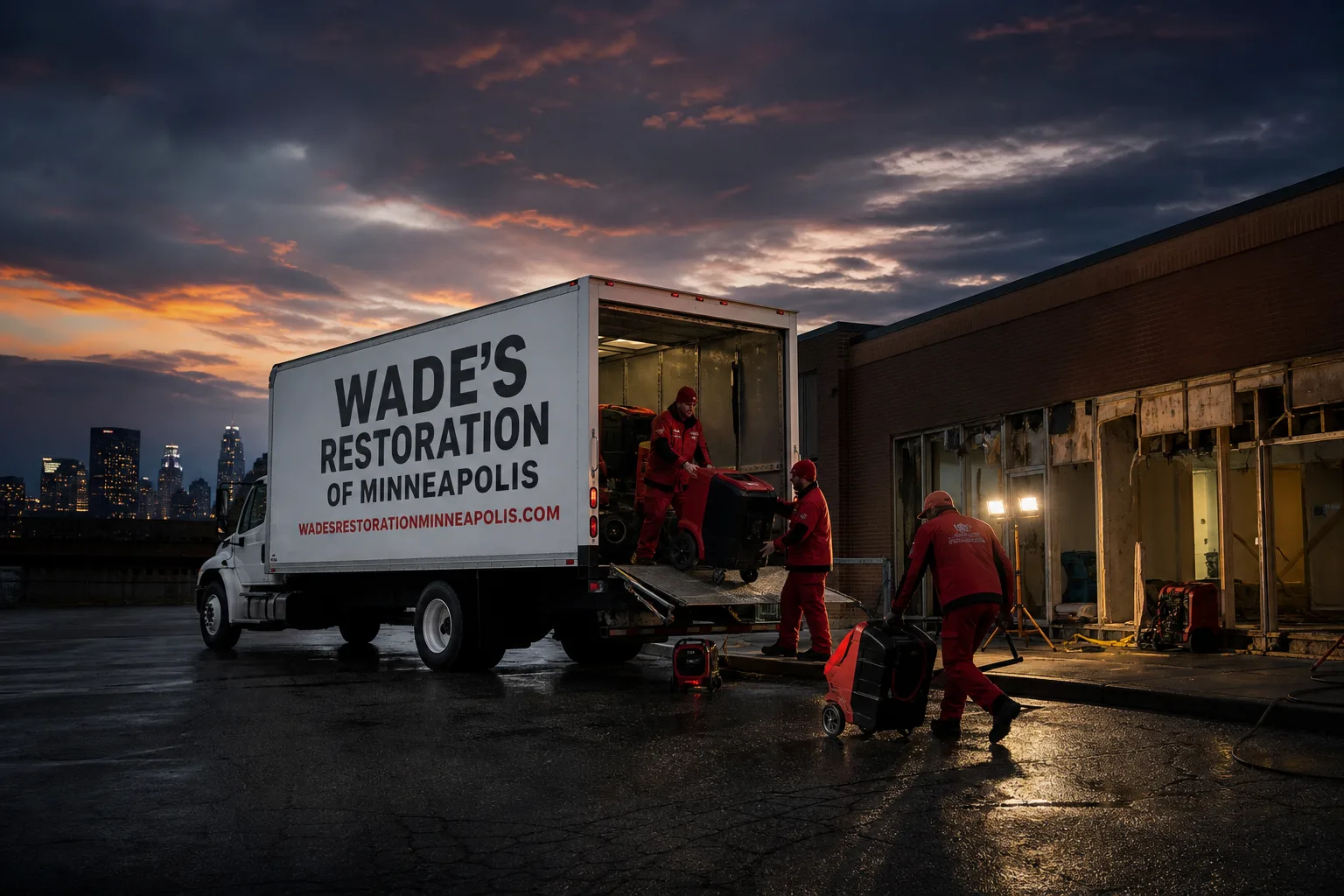
Fast, Reliable Sewage Cleanup Across Minneapolis
A sewage backup in Minneapolis runs $1,600 to $4,200 for a typical basement cleanup, and most jobs need a crew on site within 90 minutes to stop black water from wicking into plaster walls and old-growth fir floors. That’s not a service most national chains can actually deliver here, because the work in this city is different. Pre-1950 homes, deep basements, cast-iron stacks, and frozen laterals change everything about how a sewage cleanup has to be done. If you’re standing in a flooded basement in Powderhorn or Northeast right now, call (888) 690-6095 and talk to a live person, not a queue.
Why Wade’s Restoration of Minneapolis Is Minneapolis’s Preferred Sewage Cleanup Company
Wade Ferris founded this company in 2007 and still answers his own phone. That is not a slogan. When a sewage backup happens in Minneapolis, you call, Wade picks up, and he is the one who heads out with the crew. No call center, no third-party dispatch, no “your technician will be there between noon and whenever.”
Minneapolis homeowners keep calling us back because we do the unglamorous things other restoration outfits skip. Wade takes moisture readings every single day of the job and hands you the full log when we finish. We take photos of everything before, during, and after, because your insurance adjuster will want them, and Wade deals with that adjuster directly so you are not the middleman stuck relaying measurements and line items. And every Sewage Cleanup job we take gets the same written scope before we start. You know what we’re going to do and what it costs before a single tool comes off the truck.
Ask anyone on your street in Longfellow or Kingfield. We have been in Minneapolis basements for years, and the neighbor you wave to on Saturday is the person who called us at 2 a.m. three winters ago when a frozen floor drain sent black water across their finished basement.
Our Sewage Cleanup Services in Minneapolis
Sewage Backup Cleanup
In Minneapolis, a sewage backup is rarely just a clogged pipe. When the frost line sits 42 inches down, sewer laterals under the street are frozen solid for months. A pre-1950 home with a clay or Orangeburg lateral will crack under the freeze-thaw cycle, and the first sign is often black water pooling around the floor drain. We extract the water, cut out contaminated materials, and dry the structure properly, because a basement that looks dry on the surface is often still wet in the rim joists.
Toilet Overflow Cleanup
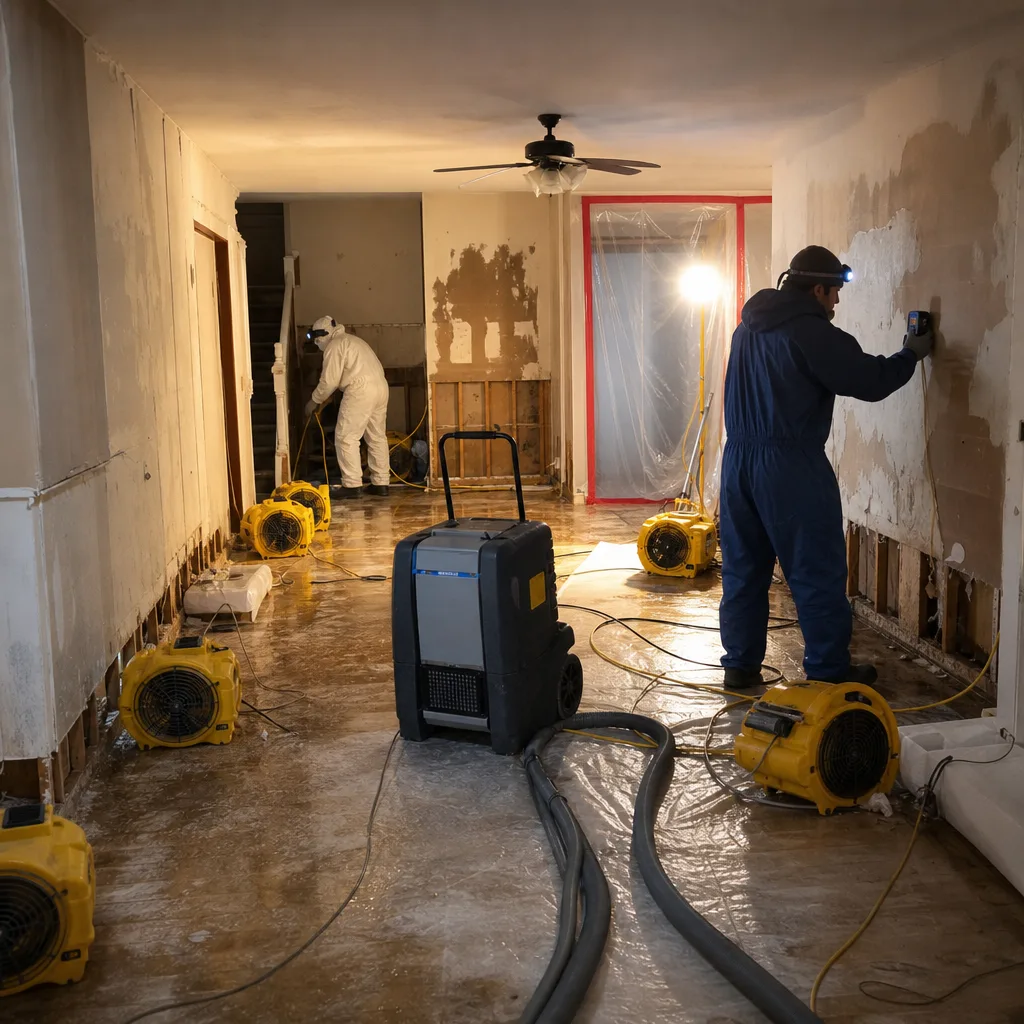
A toilet that overflows in a Minneapolis bungalow does not just ruin the bathroom tile. The water finds the path of least resistance, and in a 1920s house that path runs through old-growth fir subfloor and down into plaster-and-lath walls. We pull the contaminated flooring, set up drying equipment in the joist bays, and document everything for your insurance claim. Toilet overflows are one of the most common sewage events we handle in South Minneapolis, simply because the cast-iron stacks in those homes are 80 to 100 years old.
Septic Failure Cleanup
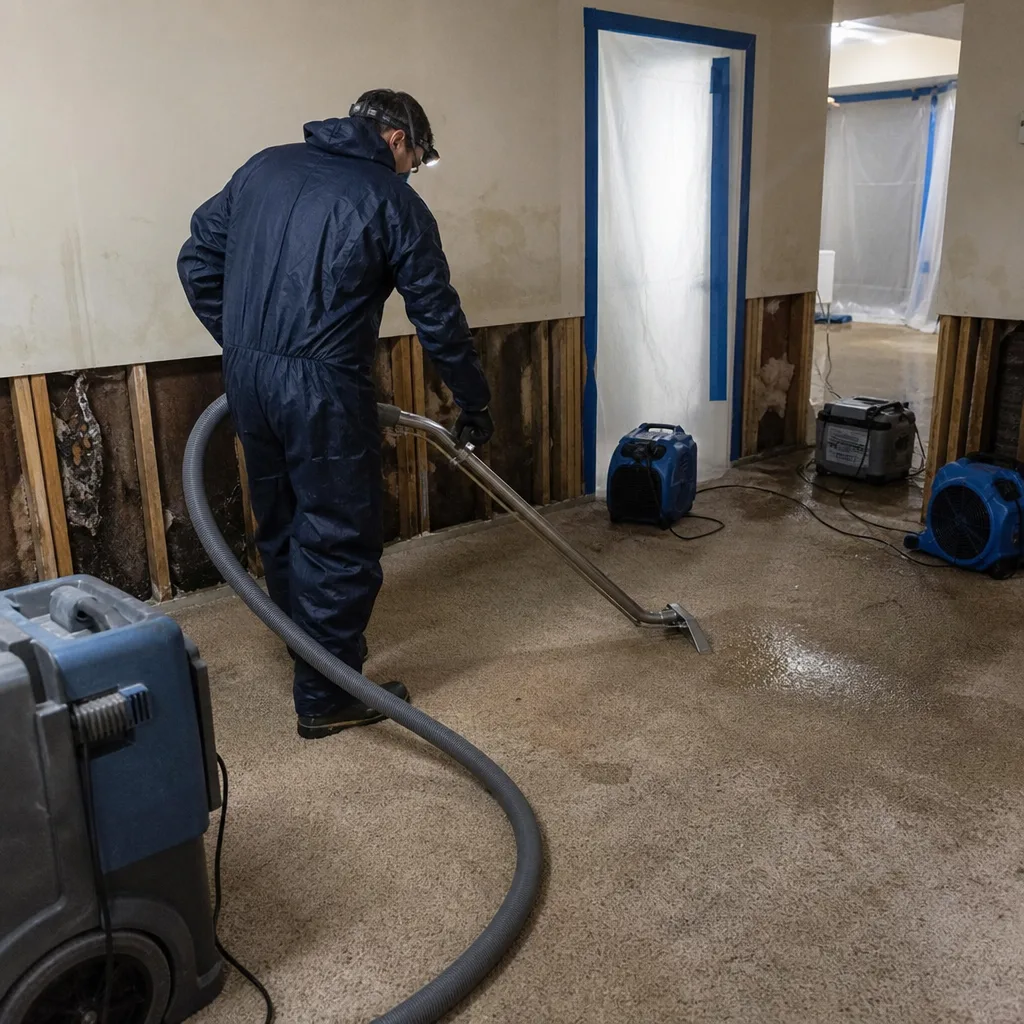
Septic failures in Minneapolis spike in March and April. The snowpack starts melting, the water table rises above the frost line, and a saturated drain field can send effluent back up into basement floor drains. In 1950s and 60s ramblers with finished basements, that means sewage in carpet, drywall, and baseboard. We handle the extraction, remediation, and dried-in rebuild, and we coordinate with your septic contractor so the cleanup and the fix happen in the right order.
Black Water Extraction
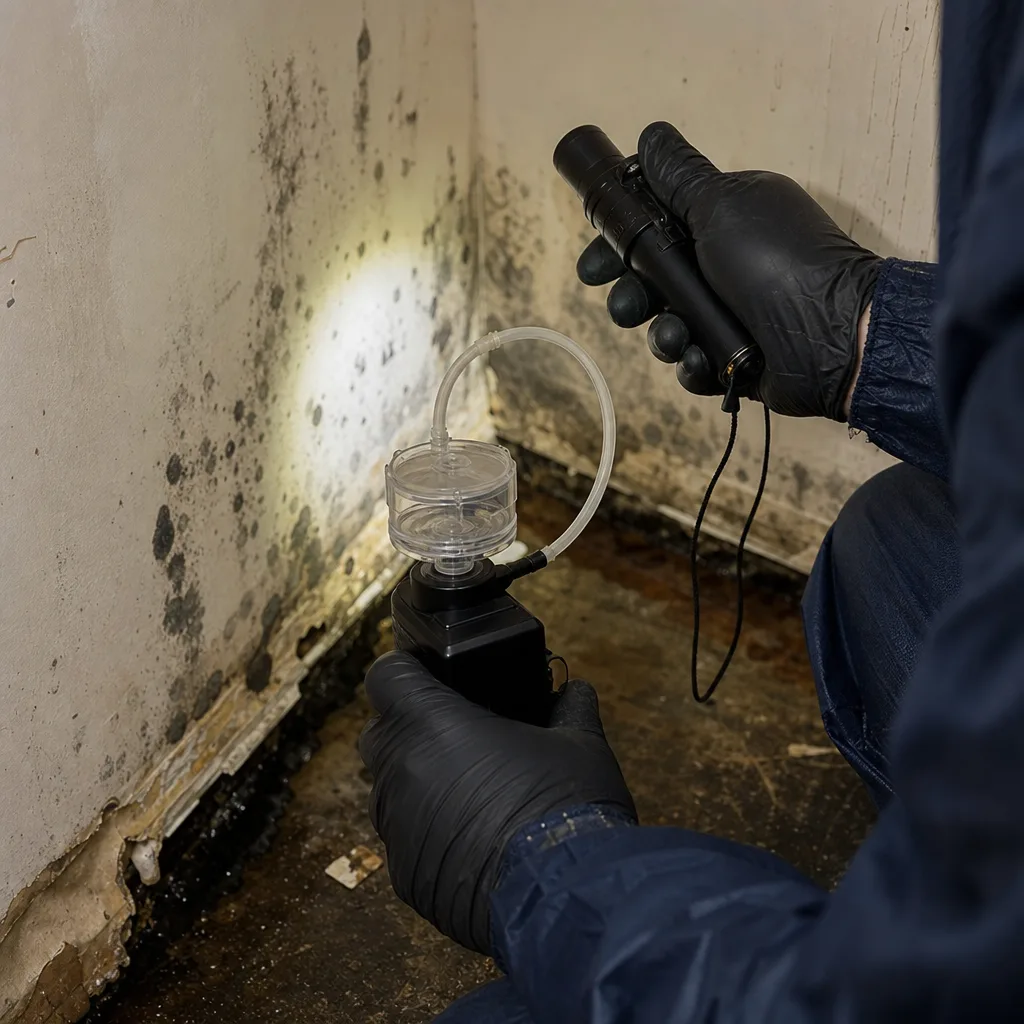
Black water, the term for sewage-contaminated water that carries pathogens, requires a different protocol than clean-water extraction. Every surface the water touched gets removed or sanitized. In older Minneapolis homes, that often includes plaster walls and horsehair insulation. We use professional-grade extraction equipment and follow IICRC standards for containment, disposal, and disinfection. This is not a mop-and-fan situation.
Crawl Space Sewage Removal
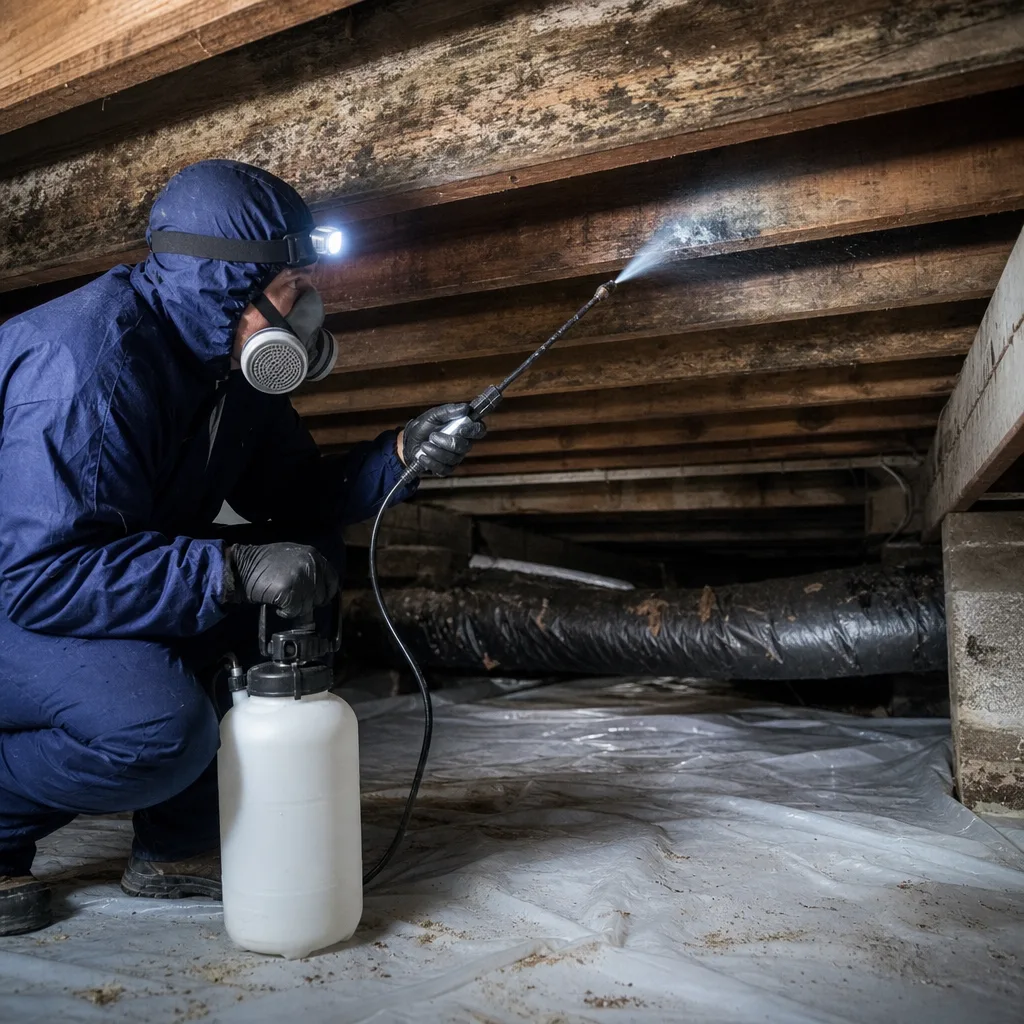
Pre-1950 Minneapolis homes often have crawl spaces with 18 to 30 inches of clearance, which means someone has to physically get under the house to remove contaminated soil and insulation. We do that work, and we do it with the same daily moisture log and photo documentation we use on every other sewage job. A sewage leak in a low-clearance crawl space under a Northeast Minneapolis foursquare is miserable work, but ignoring it means odor and mold moving up into the living space.
Sanitization & Disinfection
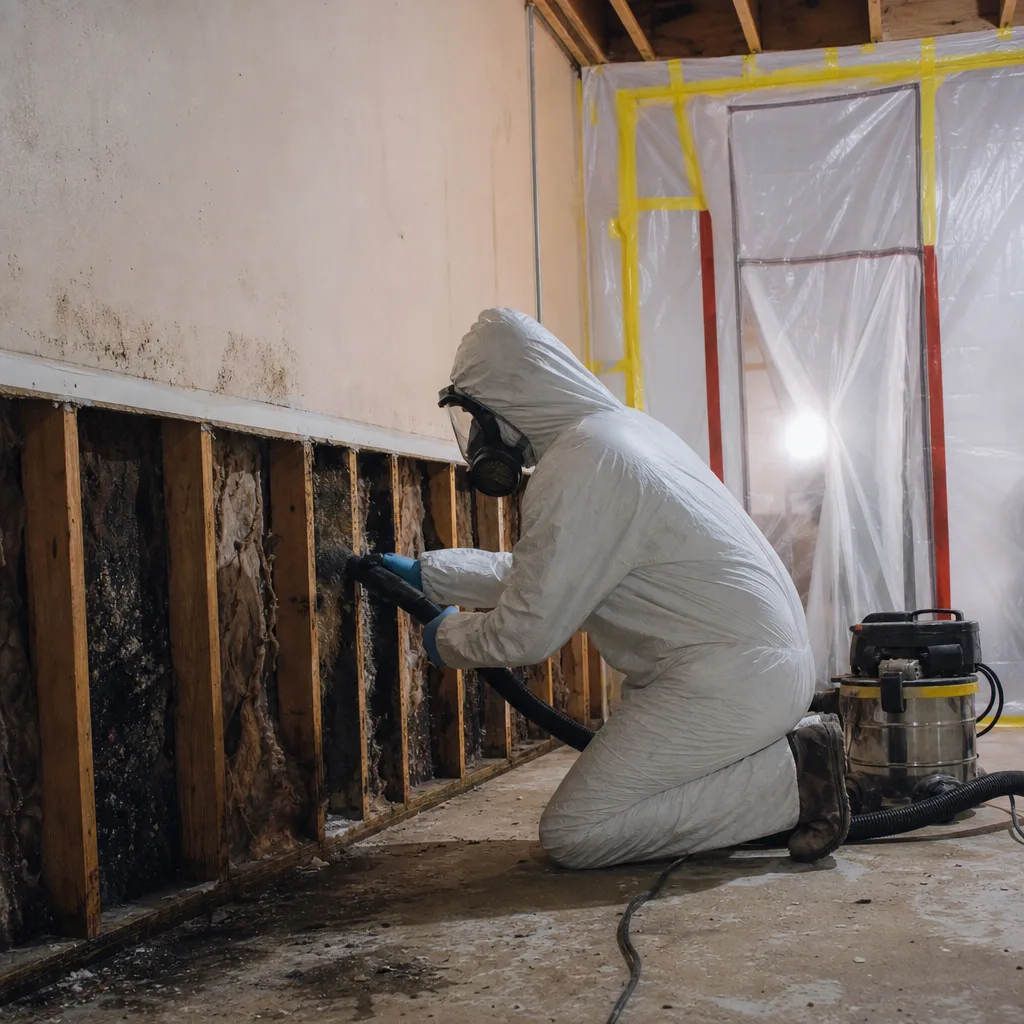
After the contaminated materials are gone and the structure is dry, the surfaces that remain still need to be sanitized. We treat the affected areas to kill the bacteria and pathogens sewage leaves behind, then verify the drying with moisture meters. For Minneapolis homeowners, this is the step that decides whether the smell comes back in July when humidity climbs.
What happens when you call
- 1
A real person answersNo phone trees - you reach a local pro.
- 2
You get an upfront price rangeHonest numbers before anyone is dispatched.
- 3
A background-checked tech heads outLicensed & insured, dispatched right away.
- 4
You approve before work beginsNothing starts until you say go.
Trusted Brands We Service in Minneapolis
We run XPOWER air movers and Injectidry drying systems on sewage jobs across Minneapolis because they hold up to the cold, damp basements this city throws at them. We also run Phoenix and B-Air equipment where the job calls for it. Because we stock parts locally, a failed dehumidifier or a snapped drying hose does not mean we wait three days for a shipment while your basement stays wet. The gear gets fixed or swapped the same day.
Common Sewage Cleanup Problems We See in Minneapolis Homes
- Frozen floor drains in deep basements. When the frost line is 42 inches down, the drain line itself can freeze, and the sewage backs up into the basement and spreads across finished flooring before anyone notices. The frozen ground also prevents that water from soaking away, so it sits and saturates everything it touches.
- Spring snowmelt overwhelming aging sump pumps. Minneapolis averages about 54 inches of snow a year. When it melts fast, the sump pump in a 1960s rambler often cannot keep up, and septic effluent backs into the finished basement bathroom. We see this every March in North Minneapolis and the western suburbs.
- Cast-iron drain stacks with pinhole leaks. In pre-WWII Minneapolis homes, the original cast-iron stacks are often corroded from the inside. A sewage overflow can erode what is left, creating pinhole leaks that hide inside wall cavities until the next heavy rain or snowmelt event pushes water through.
- Lead paint and horsehair plaster complicating cleanup. When black water contacts plaster walls in 1910s-1930s bungalows, the horsehair insulation and embedded lead paint force us to follow hazmat protocols. That means full containment, specialized disposal, and lead-safe work practices, which most out-of-state adjusters do not budget for. Wade deals with them directly so you do not have to fight that battle.
Pricing for Sewage Cleanup in Minneapolis, MN
A sewage backup cleanup in Minneapolis typically runs $1,600 to $4,200 for a basement event, with crawl space removal adding $500 to $1,500 depending on clearance and how much contaminated soil has to go. Toilet overflow cleanup in a bathroom usually lands between $900 and $2,200. Septic failure cleanup with finished basement damage often starts around $3,000 and climbs based on square footage. What moves the number in Minneapolis: whether the home has plaster walls, whether lead paint is present, how much flooring has to come out, and whether the frost is keeping the ground frozen while we work. Call (888) 690-6095 and we will give you a written scope before any work starts. The estimate is free, and if you already have a written estimate from another company, bring it and we will give you a second opinion at no charge.
We Also Serve Cities Near Minneapolis
Our crews serve Minneapolis and the surrounding communities, including Saint Louis Park, Richfield, Edina, and Saint Anthony. If you are just outside the city and dealing with a sewage backup, call us. We are familiar with the housing stock in those neighborhoods too.
Serving Minneapolis, MN - Our Local Coverage Area
We’re based in the Minneapolis area and know this community well. Use the map below to see our service coverage - if you’re nearby, we can almost certainly help.
FAQs - Sewage Cleanup in Minneapolis
You want drying started within 24 to 48 hours, and in a Minneapolis winter the window is tighter because standing water in a basement will eventually freeze and expand, which can crack concrete floors and foundations when the thaw hits. We can typically have a crew on site in Minneapolis within 90 minutes of your call. The sooner extraction starts, the less water makes it into plaster, hardwood, and joist bays. Call (888) 690-6095 as soon as you see standing water.
Yes. We regularly crawl under Minneapolis homes with 18 to 30 inches of clearance to remove sewage-contaminated soil, insulation, and debris. We run hoses under the house for extraction, bag contaminated materials for disposal, and then dry the space with XPOWER air movers and Injectidry systems before sanitizing. It is slow work, but it is the only way to stop the odor and the mold risk.
No. A toilet overflow is black water, and in a Minneapolis winter, what looks like it is drying on the surface is often wicking through hardwood and into plaster walls where the cold exterior keeps it from evaporating. The longer it sits, the deeper the contamination goes, and you will likely end up with mold inside the wall cavities by the time anyone opens them up. Call (888) 690-6095 and Wade will tell you straight what needs to happen.
No, Minneapolis’s drinking water comes from the Mississippi River through a closed municipal system, and a basement sewage backup does not flow backward into that supply. The real risk is to your household, because sewage water carries E. coli, hepatitis, and other pathogens that contaminate every surface they touch inside your home. That is why cutting out and properly disposing of affected materials matters more than just drying things out.
Ice dam water is typically clean or lightly contaminated meltwater that leaks through the roof, while sewage water contains human waste and the pathogens that come with it, which means the cleanup standard is completely different. Ice dam water usually means drying and repairing drywall or plaster. Sewage water means removing flooring, cutting out contaminated wall sections, sanitizing the remaining structure, and documenting everything for insurance. If both happen at once, which Minneapolis sees in the spring, the sewage protocol wins. Call (888) 690-6095 if you are not sure which one you have.
Call Wade’s Restoration of Minneapolis
If you have sewage in your Minneapolis basement right now, call (888) 690-6095. Wade answers. He will tell you what needs to happen, what it will cost, and when he can be there. There is no trip charge inside the county, and if you are a senior or veteran, you get 10% off, always. We have been doing this work in Minneapolis long enough to know that the fastest answer matters more than a polished sales pitch. So call.
Written by Wade Ferris, Owner at Wade’s Restoration, serving Minneapolis with sewage cleanup and restoration services.