
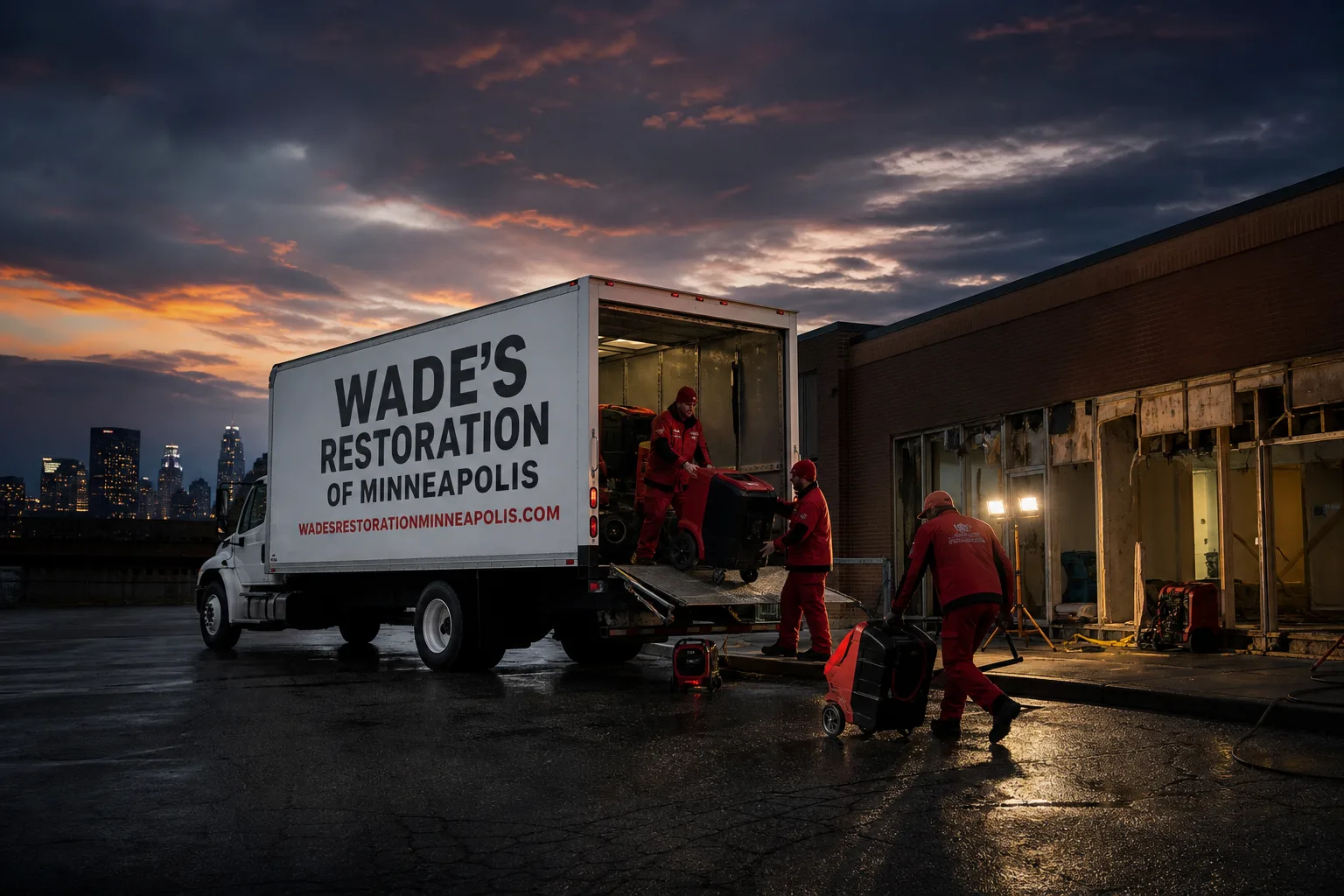
Fast, Reliable Fire & Smoke Damage Restoration Across Apple Valley
Fire damage in an Apple Valley home rarely stops at the flames. Smoke moves through ductwork, soot settles into finished basement ceilings, and odor sinks into drywall and framing within hours. We respond to Apple Valley calls fast, usually with a crew on the road within the hour, because the difference between a two-room cleanup and a whole-home restoration often comes down to how quickly smoke residue is stopped from spreading. Call (888) 690-6095 any time, day or night. Wade Ferris answers his own phone.
What makes fire damage in Apple Valley different from other suburbs comes down to the housing stock. Most homes here were built between the late 1970s and mid-1990s as planned tract development: split-levels, two-story colonials, and ramblers with fully finished basements. Smoke from a kitchen or furnace fire travels through shared ductwork and open floor plans in ways it simply doesn’t in newer slab-on-grade construction. That’s why we treat every Apple Valley fire job as a whole-home mitigation until proven otherwise.
Why Wade’s Restoration of Minneapolis Is Apple Valley’s Preferred Fire & Smoke Damage Restoration Company
Wade Ferris founded this company in 2007, and he still answers his own phone. That’s not a marketing line. When an Apple Valley homeowner calls at 2 a.m. after a furnace puff-back, the person who picks up is the same person whose name is on the truck and the contract. He’s going to run into you again at the Cub Foods on Cedar Avenue or the Apple Valley Community Center, and that accountability matters more than any slogan.
Our crews know Apple Valley’s specific failure points because we’ve walked through hundreds of these homes. We know how smoke behaves in a 1980s split-level on 140th Street. We know where soot hides in a rambler ceiling off Pilot Knob Road. We know the difference between a Cobblestone Lake colonial and a 1970s rambler near Valley Middle School. That’s not something a national chain’s rotating tech learns from a training video. It’s what Wade’s team learns by driving these streets every week.
Every fire job in Apple Valley gets the same written promise: if it’s not done right, we make it right. It’s called the 90-Day Done Right Promise, and it’s stamped on every restoration contract. No asterisks. No fine print. Wade’s name is on it.
Our Fire & Smoke Damage Restoration Services in Apple Valley
Smoke & Soot Removal
Soot in Apple Valley homes is rarely where you expect it. The shared ductwork in 1980s split-levels pulls smoke from a kitchen fire into finished basement ceilings, upstairs bedrooms, and cold air returns. We run HEPA air scrubbers and Dri-Eaz HEPA 500s continuously while physically wiping soot from walls, ceilings, framing, and duct interiors. Skipping the ductwork means soot resurfaces weeks later in rooms the fire never touched. We don’t skip it.
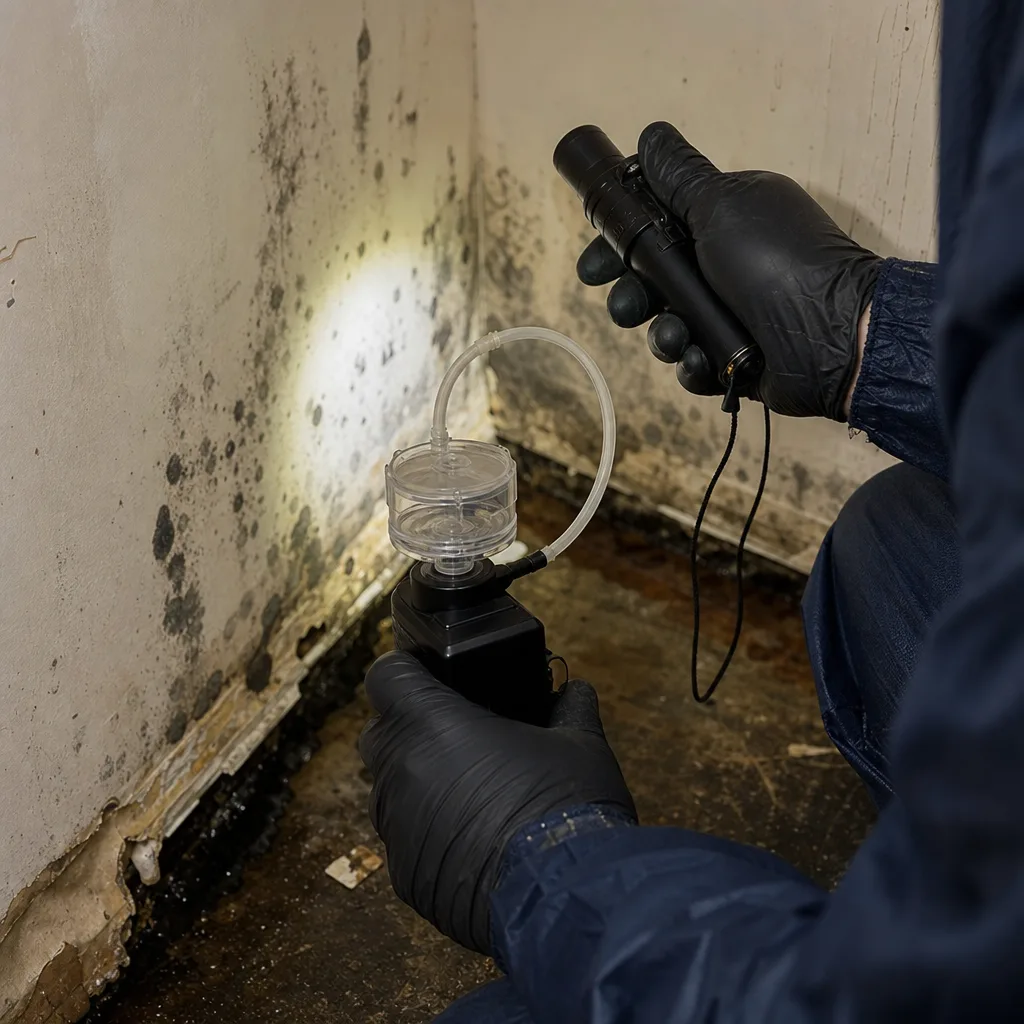
Odor Removal & Deodorization
Smoke odor in Apple Valley ramblers is stubborn for a specific reason. The low-pitched rooflines common on 1980s construction trap smoke in cold attic spaces. When Minnesota’s freeze-thaw cycle hits, warm daytime air re-condenses those smoke particles inside the attic framing and drywall, and the odor comes back. We use thermal fogging and hydroxyl generators matched to the actual smoke load and the housing style. Generic odor fogging fails on these roofs. We size the treatment for the structure, not the square footage alone.
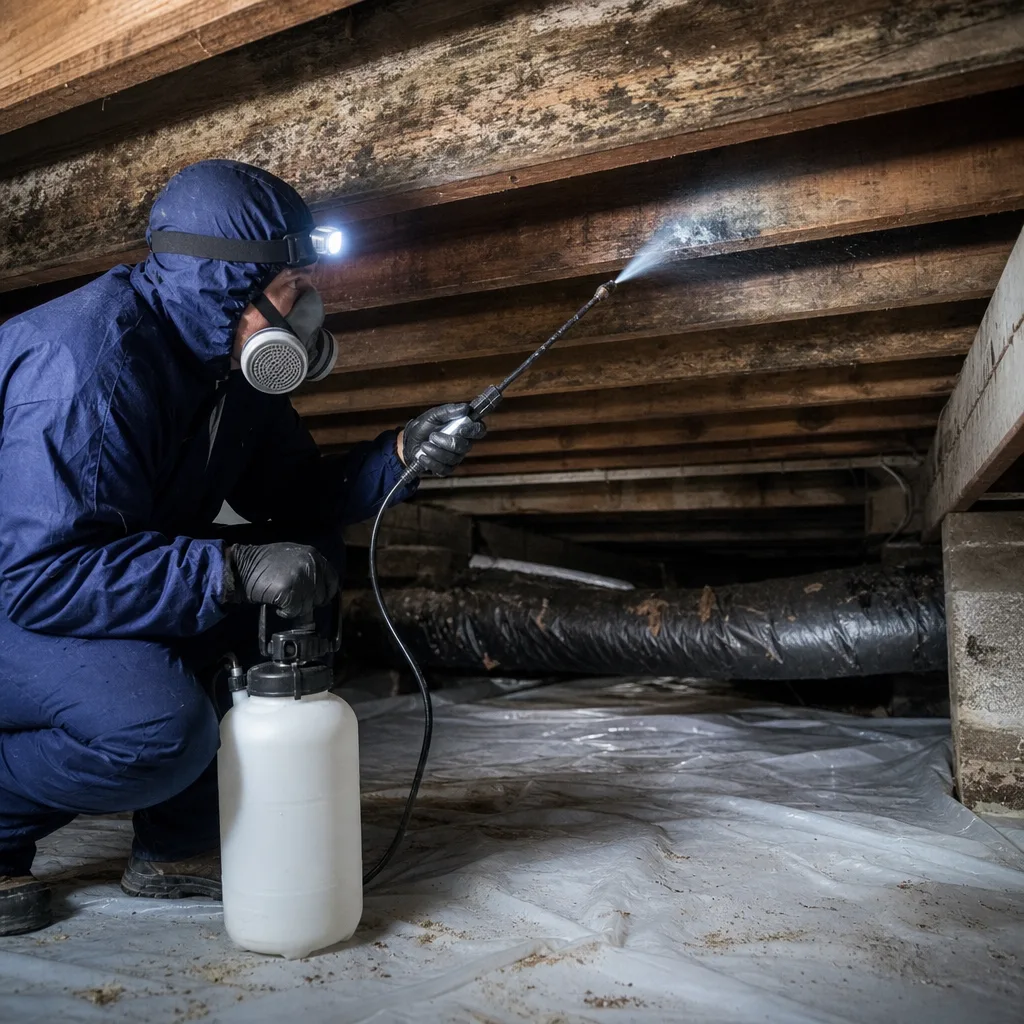
Emergency Board-Up & Tarping
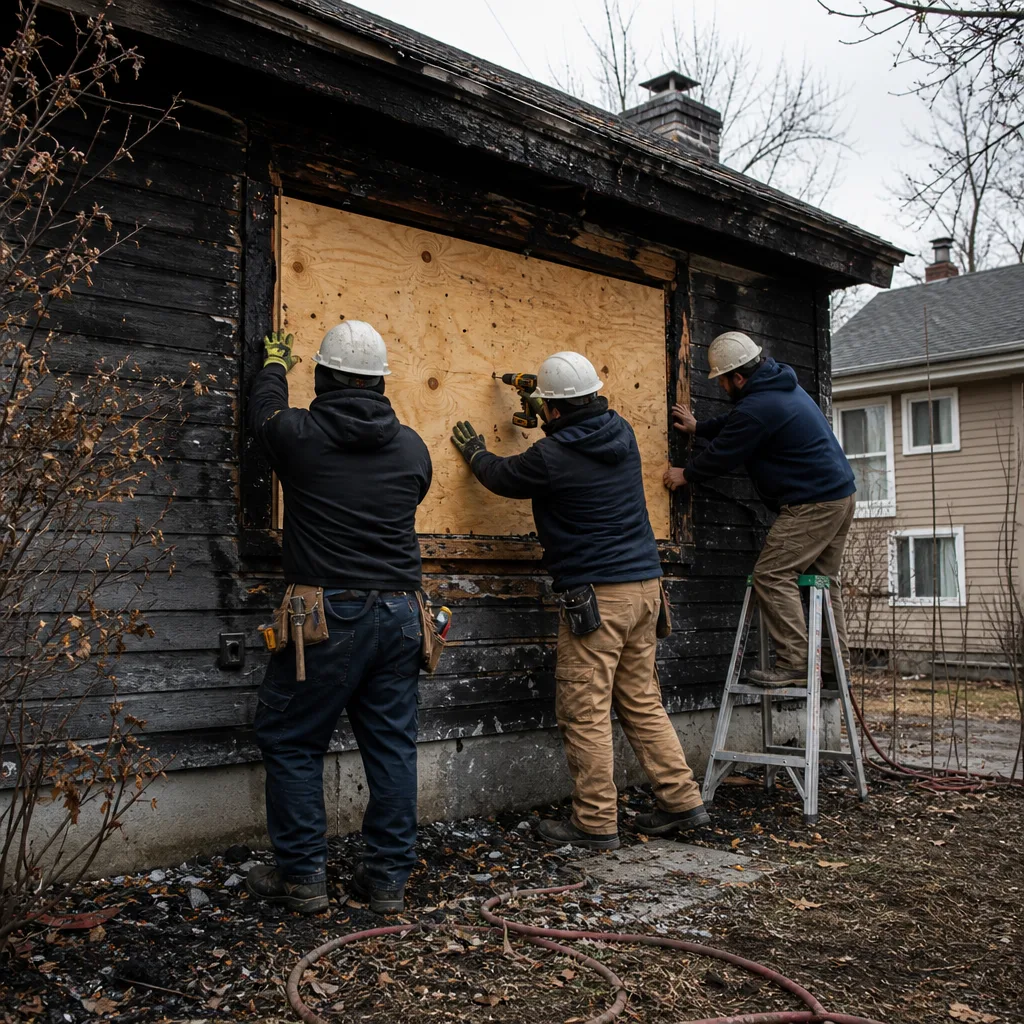
A fire-damaged window or door in an Apple Valley split-level can’t wait until morning. Wind-driven rain and snow get in fast, and once water is added to fire damage, the restoration scope changes entirely. We board up and tarp the opening the same day, checking the original weatherstripping and door frames from the 1978-1995 era as part of the job. Older frames warp after heat exposure, and a board-up that doesn’t address the gap lets in rain anyway. Wade’s crew seals it right the first time.
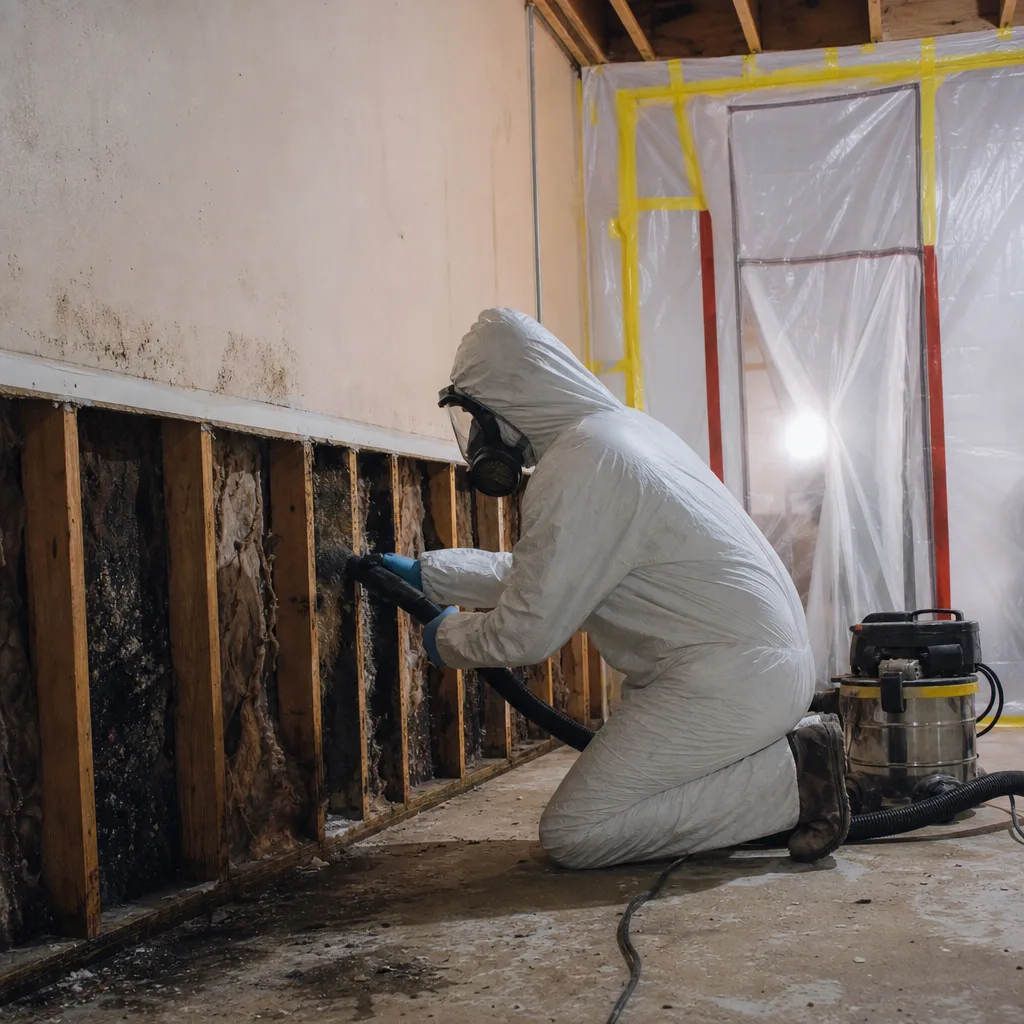
Contents Cleaning & Pack-Out
After a fire, the family’s clothes, furniture, and keepsakes often carry more smoke odor than the structure itself. We pack out contents from Apple Valley homes and clean them off-site with ultrasonic equipment and thermal fogging, then store them until reconstruction is finished. It’s not added scope for the sake of it. Contents left in a smoke-damaged home continuously re-contaminate the air we’re trying to clean. Getting them out and treated is how you actually get the smell gone.
What happens when you call
- 1
A real person answersNo phone trees - you reach a local pro.
- 2
You get an upfront price rangeHonest numbers before anyone is dispatched.
- 3
A background-checked tech heads outLicensed & insured, dispatched right away.
- 4
You approve before work beginsNothing starts until you say go.
Trusted Brands We Service in Apple Valley
We run XPOWER air scrubbers and B-Air blowers on Apple Valley jobs because these are the machines that hold up to consecutive days of continuous operation in Minnesota basements and attics. We also use Injectidry injection systems for targeted cavity drying when smoke has been pushed into wall voids. Our equipment trailer is stocked for Apple Valley’s specific housing stock, not a generic national template. That means less waiting on parts when your split-level off Galaxie Avenue needs immediate negative air pressure.
Common Fire & Smoke Damage Restoration Problems We See in Apple Valley Homes
- Smoke migration through shared ductwork in 1980s split-levels. A kitchen fire on the main floor pulls smoke through the HVAC returns into every finished basement level. Homeowners often assume a contained fire means contained damage. It doesn’t. We inspect and treat the full duct system on every Apple Valley fire job.
- Hidden soot in finished basement ceilings that resurfaces weeks later. The finished basements common in Apple Valley tract homes have drop ceilings or drywall lids with cavities above them. Soot settles there, invisible until humidity or air movement dislodges it. Without cavity inspection, a “clean” home starts showing black streaks a month later.
- Boarded-up openings that leak wind-driven rain. Original 1978-1995 era weatherstripping and wood door frames warp quickly under fire heat. A board-up that doesn’t address the frame gap lets rain and snow into the fire-damaged opening, compounding the loss before structural repair even starts. We check the frame, not just the opening.
- Smoke odor that won’t die in ramblers with low-pitched roofs. The flat or low-slope rooflines common on Apple Valley ramblers leave cold attic cavities where smoke particles settle. Freeze-thaw cycles in February and March re-activate those particles sequentially, so odor treatments need to include attic and cavity access, not just living spaces.
Pricing for Fire & Smoke Damage Restoration in Apple Valley, MN
Here’s what Apple Valley homeowners can expect, based on the jobs we’ve done across 55124 and surrounding streets.
| Service | Typical Apple Valley Range |
|---|---|
| Emergency board-up and tarping | $450-$1,200 |
| Smoke and soot removal (single room) | $1,200-$3,500 |
| Whole-home smoke and soot mitigation (split-level or rambler) | $4,000-$12,000 |
| Odor removal and deodorization (incl. thermal fogging) | $1,500-$6,000 |
| Contents pack-out and cleaning | $2,000-$8,000 |
| Duct cleaning after smoke event | $500-$1,800 |
The biggest cost driver in Apple Valley is whether smoke reached the finished basement. In a 1980s split-level with shared ductwork, it usually has. That’s the difference between a $3,000 cleanup and a $12,000 whole-home mitigation. We’ll give you a written scope before any work starts, and the estimate is free. Call (888) 690-6095 and Wade will walk you through it himself.
We Also Serve Cities Near Apple Valley
Wade’s Restoration serves Fire & Smoke Damage Restoration in Apple Valley and the surrounding communities, including Rosemount, Burnsville, Eagan, and Lakeville. If you’re just outside Apple Valley, call and ask. Wade can usually be on the road quickly, and there’s no trip charge inside the county.
Serving Apple Valley, MN - Our Local Coverage Area
We’re based in the Apple Valley area and know this community well. Use the map below to see our service coverage - if you’re nearby, we can almost certainly help.
FAQs - Fire & Smoke Damage Restoration in Apple Valley
Freeze-thaw cycles re-activate smoke particles trapped in cold attic cavities. A rambler’s low-pitched roof leaves large, cold air spaces where smoke settles after a furnace puff-back. During warm daytime periods in February and March, those particles re-condense and the odor returns. That’s why we include attic access and cavity treatment on every Apple Valley rambler, not just the living areas. Call (888) 690-6095 and we’ll assess your specific roof before quoting.
The board-up itself uses plywood cut and secured over the damaged opening, but the critical step on a 1970s split-level is checking the original frame and weatherstripping. Single-pane windows and wood siding from that era warp under heat, leaving gaps that let wind-driven rain enter even after boarding. We seal those gaps as part of the board-up, not as a separate repair.
Yes. Homes built in the 2000s and 2010s near Cobblestone Lake sit on a seasonal high water table, which means any fire suppression water from hoses or sprinklers moves differently through the slab and crawl space. We run moisture readings daily on those properties and document the log, because hidden moisture near a lake-adjacent slab behaves differently than it does in the older subdivisions further north. Wade hands you the full moisture log at job’s end. It’s standard documentation on every job he runs.
Smoke particles embed in fabric, upholstery, bedding, and clothing even when flames never reached those rooms. In an Apple Valley colonial with forced air, the HVAC system pushed smoke into bedrooms and closets on both upper floors. Leaving those contents inside means they continuously off-gas odor back into the cleaned air. Pack-out is how you actually finish the job instead of chasing the same smell for months.
Apple Valley building permits for exterior door replacement require the new door to meet current Minnesota energy code and any applicable wind rating for the structure. On a 1990s home, that often means upgrading from the original single-pane or uninsulated unit to a code-compliant insulated door. We coordinate the permit and inspection as part of the structural repair, so you’re not stuck managing it with the city yourself.
Key Takeaways
- Smoke travel through shared ductwork in Apple Valley’s 30-50-year-old split-levels and colonials means nearly every fire job here is a whole-home event.
- Finished basements in Apple Valley are the number one hidden soot reservoir after a fire.
- Freeze-thaw cycles make rambler attic odor treatment non-negotiable in this city.
- Emergency board-up must address original 1978-1995 era frame gaps or water damage follows the fire.
- Wade Ferris answers his own phone and puts the 90-Day Done Right Promise in writing on every job.
Call Wade’s Restoration Now
Fire and smoke damage in Apple Valley doesn’t wait for business hours, and neither do we. Call (888) 690-6095 now. Wade or a member of his team will answer live, 24/7, and he’ll be on the road to your Apple Valley home fast. The estimate is free. The scope is written before any work starts. And if it’s not done right, Wade makes it right, in writing. That’s the deal.
Written by Wade Ferris, Owner at Wade’s Restoration of Minneapolis, serving Apple Valley since 2007.