

Fast, Reliable Reconstruction & Cleanup Across Saint Paul Park
Reconstruction and cleanup in Saint Paul Park after flood or storm damage typically runs $3,500 to $18,000 for basement rebuilds and $800 to $4,500 for drywall and flooring repair, depending on how far the water traveled and what it carried in. Wade Ferris has worked the Mississippi River corridor long enough to know that Saint Paul Park damage is rarely just water. It’s river silt, cast-iron pipe backflow, wind-driven rain through old door frames, and saturated block walls that keep wicking moisture weeks after the river drops. If you’re standing in a wet basement on the south side of Saint Paul Park right now, call (888) 690-6095 and Wade will answer. He’s been doing this since 2007, and he’ll tell you straight what needs to happen next.
Why Wade’s Restoration of Minneapolis Is Saint Paul Park’s Preferred Reconstruction & Cleanup Company
Wade Ferris puts his name on the truck and his cell number in your hands. That’s not a marketing line. When you call (888) 690-6095, Wade answers. Not a call center, not a rotating crew supervisor. The owner. He has been running Reconstruction & Cleanup jobs across Washington County since 2007, and he has pulled enough soggy drywall out of Saint Paul Park basements to know exactly what the river leaves behind.
Ask anyone on your street. The families on Pullman Avenue, the folks up near River Highlands Park, the retirees in the original townsite homes with cast-iron drains. Wade’s crew shows up in uniform, background-checked, and they document everything with moisture readings you keep at the end. No other restoration company we know of hands the homeowner the full moisture log. That’s the kind of transparency that matters when you’re rebuilding after a flood.
Response time to Saint Paul Park is fast. Wade’s office is in the Minneapolis-St Paul metro, and he keeps equipment staged so a crew can be on the road to Saint Paul Park within the hour. For river flooding on the low blocks near the Mississippi, that speed matters because river silt starts colonizing mold in wall cavities within 48 hours. Faster than clean groundwater intrusion you’d see up in Woodbury or Cottage Grove.
Our Reconstruction & Cleanup Services in Saint Paul Park
Saint Paul Park homes need a specific kind of reconstruction work. Here’s what we handle most often, and how it applies to your neighborhood.
Full-Service Reconstruction
When a Saint Paul Park basement floods, the rebuild isn’t just about replacing drywall. The block walls in those 1940s and 1950s homes soak up river water like a sponge, and that moisture travels upward into sill plates and floor joists. Wade’s crew tears out only what’s actually damaged, then rebuilds with mold-resistant materials rated for floodplain conditions. We coordinate electrical, plumbing, insulation, and finish work so you’re not juggling three contractors. One call, one crew, one person accountable: Wade.
Drywall & Flooring Repair
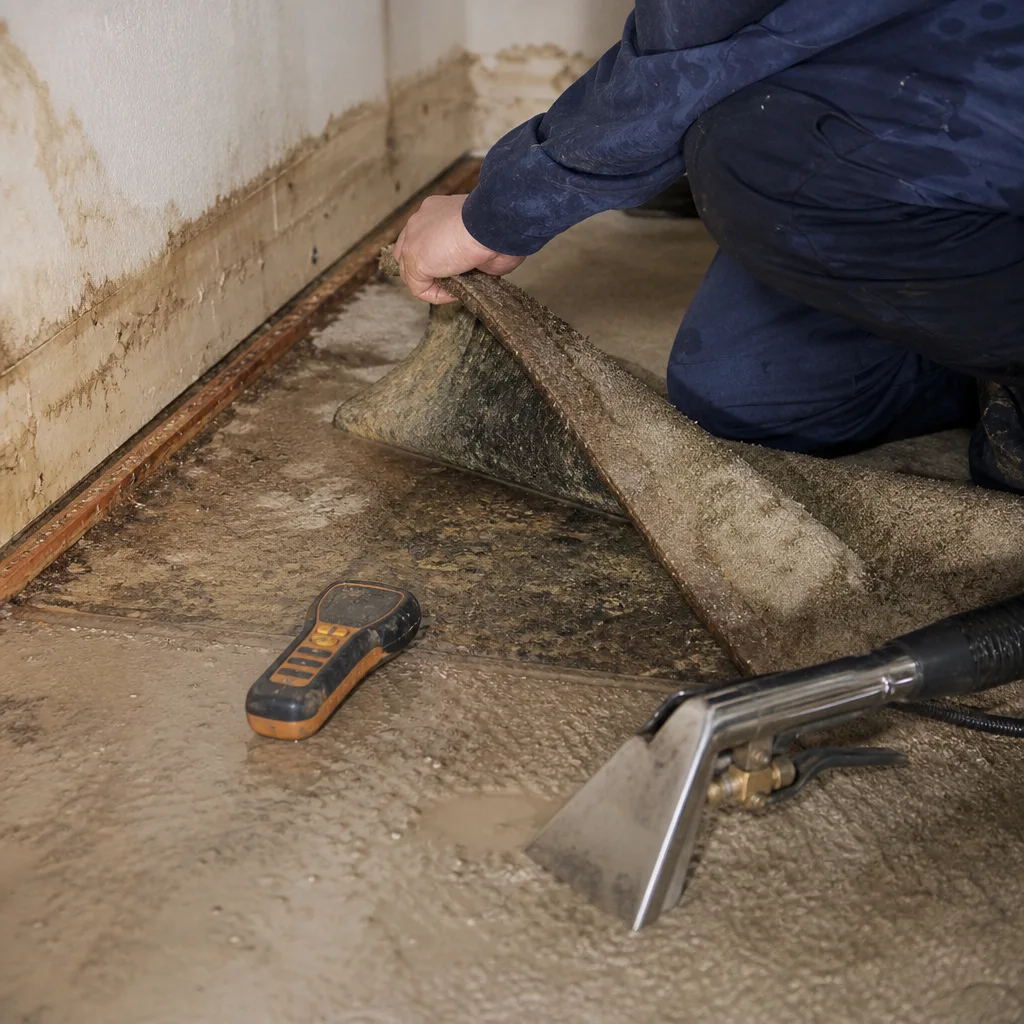
Flood cuts in Saint Paul Park basements almost always go higher than homeowners expect. River backwater leaves a mineral line on the drywall that tells the story. Cut below it and you’re trapping silt and moisture inside the wall cavity. Cut above it and you’re wasting money. Wade’s crew reads that line and cuts precisely. For flooring, we pull waterlogged carpet, pad, and hardwood, then check the subfloor with a moisture meter before anything new goes down. In Saint Paul Park’s saturated spring soils, subfloors often read wet for weeks after the walls test dry.
Contents Restoration & Pack-Out
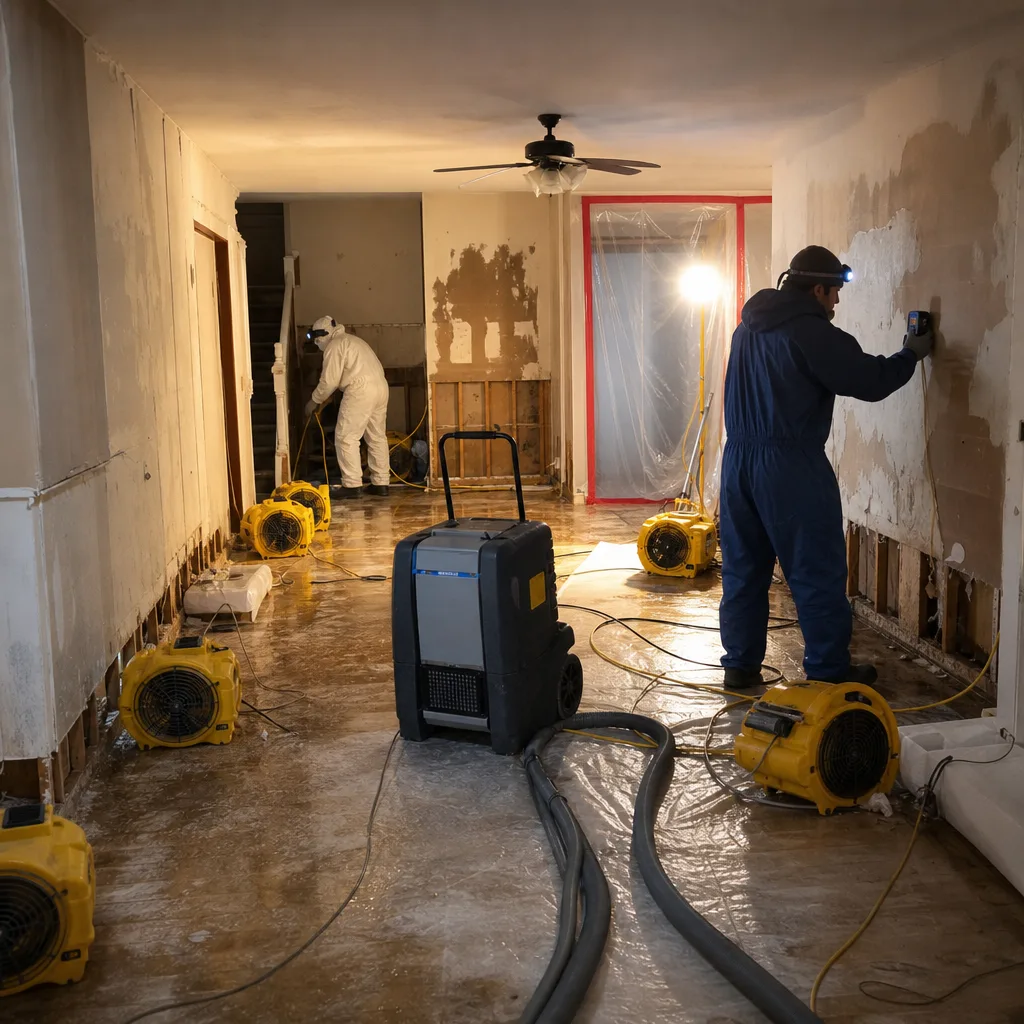
When river water gets into a Saint Paul Park basement, the stuff down there takes a beating. Furnace filters, stored holiday decorations, old photo boxes, tools. Wade’s team offers full contents pack-out: we inventory, photograph, and move your belongings to a climate-controlled facility for cleaning and drying. For floodwater with river silt, we use professional-grade XPOWER air movers and B-Air dehumidifiers to dry contents properly. And we document everything for your flood insurance claim so you’re not fighting the adjuster over what was damaged and what wasn’t.
Carpet & Upholstery Cleaning
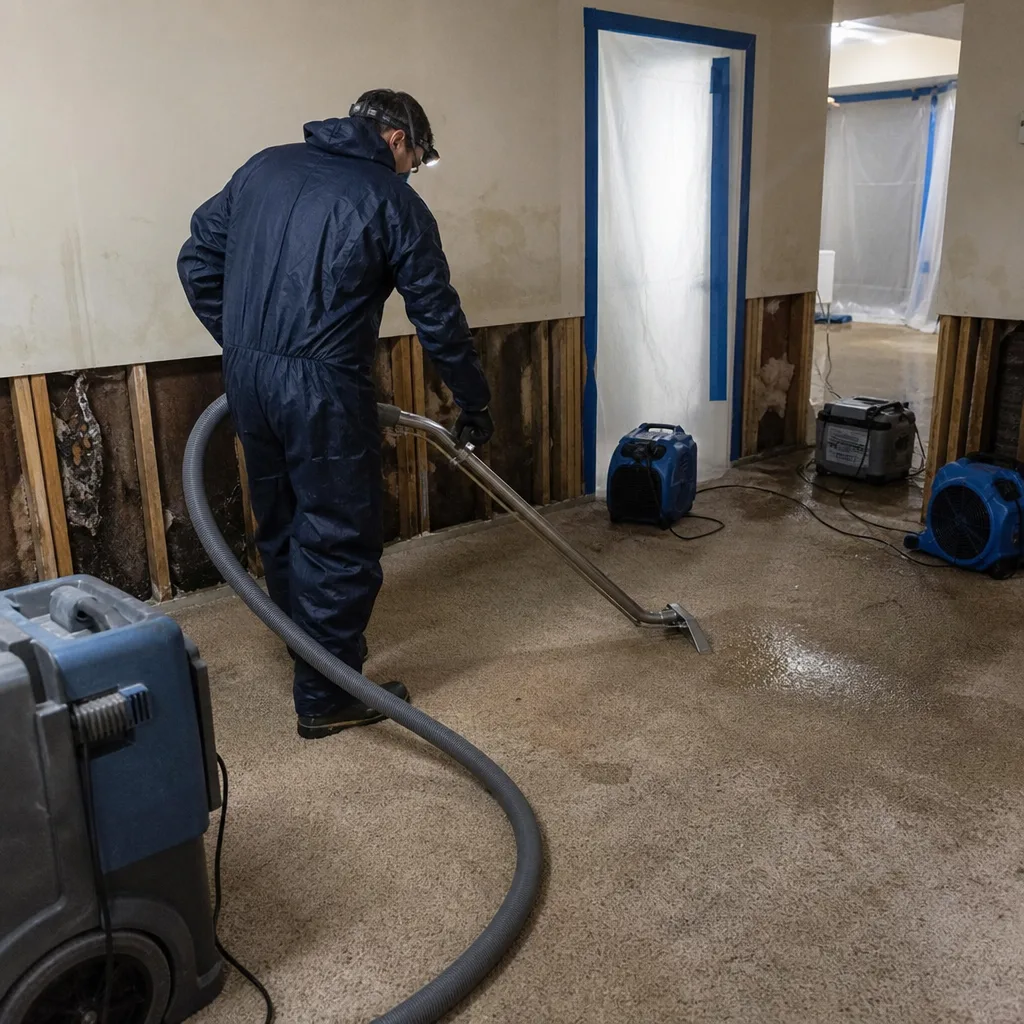
Not every Saint Paul Park basement flood means full replacement. Sometimes the water was shallow, caught early, and the carpet can be saved. Wade’s crew uses Injectidry systems to pull moisture from carpet and pad in place, then cleans and sanitizes. But we’ll tell you honestly when it’s not worth saving. River silt works deep into carpet fibers and the padding underneath, and in a humid Mississippi River corridor summer, that turns into a musty smell that never really leaves. If it’s done, Wade says so. If it needs to go, he says that too.
What happens when you call
- 1
A real person answersNo phone trees - you reach a local pro.
- 2
You get an upfront price rangeHonest numbers before anyone is dispatched.
- 3
A background-checked tech heads outLicensed & insured, dispatched right away.
- 4
You approve before work beginsNothing starts until you say go.
Trusted Brands We Service in Saint Paul Park
Wade’s Restoration runs IICRC-certified technicians and professional-grade equipment brands Saint Paul Park homeowners can look up: XPOWER air movers, B-Air dehumidifiers, Injectidry drying systems. We don’t haul in rental-store equipment or hand you a bill for machines that ran half a day. Wade keeps parts and replacement materials stocked for common Saint Paul Park repairs, so a drywall order or a flooring match doesn’t sit in limbo while you’re living out of a wet house. Fast turnaround is the whole point of using a local owner-operator instead of a national chain that quotes one price on the phone and a different one at your front door.
Common Reconstruction & Cleanup Problems We See in Saint Paul Park Homes
- Wind-rated doors not anchored to the rough opening. Saint Paul Park sits low on the Mississippi, and spring storms coming up the river valley hit doors with more sustained wind than upland suburbs get. When a storm door or entry door isn’t anchored properly to the rough opening, the frame flexes under gusts and wind-driven rain works its way inside. We see this on homes all along the river-facing blocks.
- Post-storm track and panel damage ignored. After a high-wind event, homeowners re-hang a door that’s binding without checking the tracks and rollers. Bent rollers or misaligned panels keep binding, which wears out seals and lets water in during the next storm. A quick re-hang isn’t a repair.
- Reinforcement installed over a compromised lintel. Someone adds a wind-rated door but never checks the original lintel or header for rust and rot. The “stronger” door tears free from the compromised frame during the next high-wind event. In Saint Paul Park’s older housing stock with decades of river humidity, those headers are often soft and need replacement first.
- River silt accelerating mold in wall cavities. Floodwater from the Mississippi carries a mineral load that clean groundwater doesn’t. That silt gets trapped inside wall cavities and speeds up mold colonization dramatically. Restoration crews who work Saint Paul Park keep moisture meters calibrated for river-silt-laden soil because the dry-out timeline is different here. You can’t use the same drying assumptions you’d use in Cottage Grove or Inver Grove Heights.
Pricing for Reconstruction & Cleanup in Saint Paul Park, MN
Here’s what Saint Paul Park homeowners should expect to pay, based on what we see in the field:
- Flood cut and drywall replacement: $3,500 to $8,000 for a typical basement, depending on linear feet and ceiling height.
- Subfloor and flooring replacement after river flooding: $1,800 to $5,500, including pull-up, disposal, and new material.
- Full basement reconstruction including framing, insulation, drywall, paint: $12,000 to $25,000 for a modest Saint Paul Park basement.
- Contents pack-out, cleaning, and return: $1,200 to $4,000 depending on volume and whether items need specialized drying.
- Carpet and upholstery cleaning after minor water intrusion: $400 to $1,500.
What changes the price in Saint Paul Park specifically is the silt. Floodwater that carries river sediment requires more aggressive drying, more frequent moisture readings, and sometimes more demolition than clean-water intrusion. That’s not an upsell. It’s the difference between a rebuild that lasts and one that starts molding again in August. Wade gives you a written scope before work starts, no trip charge inside Washington County, and a free second opinion on any written estimate you’ve gotten from another company. Call (888) 690-6095 and you’ll get real numbers, not a range that widens once a crew is standing in your house.
We Also Serve Cities Near Saint Paul Park
Wade’s Restoration covers Saint Paul Park and the surrounding Washington County communities: Cottage Grove to the east, Inver Grove Heights to the northwest, South Saint Paul across the river, and Woodbury to the north. If you’re in one of those towns and dealing with flood, storm, or reconstruction work, the same crew and the same owner will show up. Same phone: (888) 690-6095. Same written promise: if it’s not done right, Wade makes it right.
Serving Saint Paul Park, MN - Our Local Coverage Area
We’re based in the Saint Paul Park area and know this community well. Use the map below to see our service coverage - if you’re nearby, we can almost certainly help.
FAQs - Reconstruction & Cleanup in Saint Paul Park
Saint Paul Park follows Minnesota State Building Code, which requires wind-rated exterior doors on new construction and on replacement doors when storm damage requires a full door replacement rather than a repair. If Wade’s crew is rebuilding an entryway after a storm, we pull the permit and install a door rated for the wind pressures in the Mississippi River corridor. A repair that reuses the existing slab and frame typically doesn’t trigger the wind-rating requirement, but a full replacement does. Wade handles the permit paperwork so you’re not standing at the counter trying to explain what happened to your door. Call (888) 690-6095 if you want to know whether your specific repair triggers a permit.
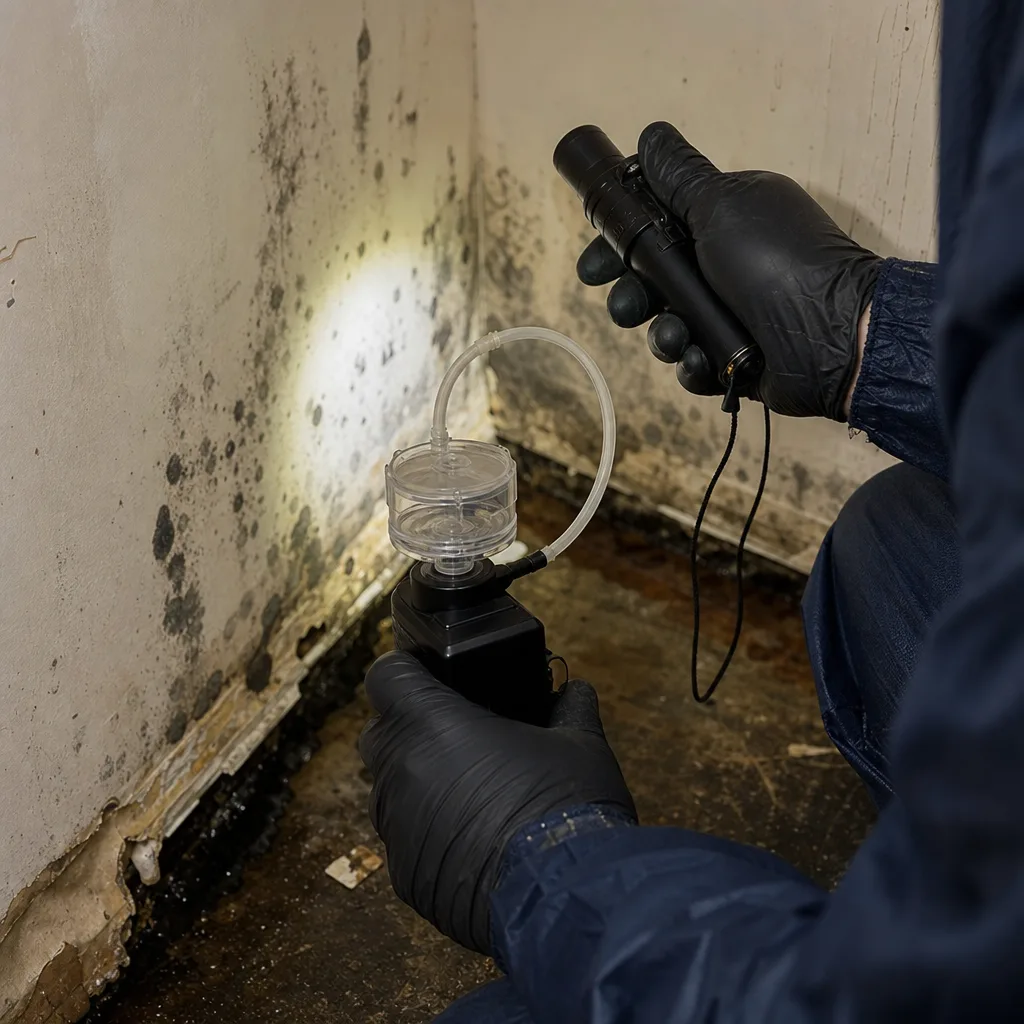
River silt changes the mold timeline significantly. Floodwater from the Mississippi carries fine mineral sediment that gets forced into wall cavities, under baseboards, and into the pores of block walls by hydrostatic pressure. That silt holds moisture longer than clean water and provides a nutrient-rich surface for mold to colonize. In Saint Paul Park basements, mold can take hold in 36 to 48 hours after a river flood, compared to 48 to 72 hours for clean groundwater intrusion elsewhere in Washington County. Wade’s crew uses moisture meters calibrated for river-silt soil and logs readings daily until the structure tests dry. Homeowners keep that log at the end. It’s the documentation your flood insurance adjuster wants to see, and Wade hands it over without being asked.
A crawlspace in the low, river-facing blocks of Saint Paul Park typically takes 5 to 10 days to dry fully after spring flooding, depending on how much standing water accumulated and whether the crawlspace has a vapor barrier. The river corridor’s prolonged spring ground saturation slows structural drying compared to upland suburbs, because the soil around and under the house keeps releasing moisture back into the crawlspace air even after the water is pumped out. Wade’s crew sets B-Air dehumidifiers and XPOWER air movers, checks moisture readings daily, and doesn’t call the job done until the wood framing tests below the mold threshold. For the south side blocks near the river, owners should expect the longer end of that range.
Yes. Flood damage and storm-damaged doors often come from the same weather event in Saint Paul Park, and Wade’s crew documents both on one claim file. We photograph everything before demolition starts, log moisture readings daily, and write up the scope in language your adjuster can process. Wade talks to the insurance adjuster directly, so you’re not the one relaying information between two sides. For National Flood Insurance Program claims in the Mississippi floodplain, that documentation makes a real difference. Call (888) 690-6095 with your claim number and Wade will walk you through what documentation you already have and what’s missing.
Older Saint Paul Park homes near the original townsite often still have cast-iron drain lines, and river flooding stresses them in two ways. First, backwater from the Mississippi can force sediment up through the drains and into basements, which means the drain lines themselves need inspection and often cleaning before reconstruction starts. Second, cast-iron that’s been submerged repeatedly develops internal corrosion faster, and a line that was marginal before the flood can crack or collapse during the rebuild. Wade’s crew checks drain lines as part of any flood reconstruction in Saint Paul Park’s older housing stock, because rebuilding a basement over a cracked drain line means tearing it out again a year later. That’s the kind of thing that doesn’t show up on a generic reconstruction estimate.
Call Wade Ferris for Reconstruction & Cleanup in Saint Paul Park
If your Saint Paul Park home flooded, if a storm tore your door frame loose, if you’re standing in a basement that smells like river silt and you don’t know where to start, call (888) 690-6095. Wade answers. He’ll ask you what happened, what the water touched, and how long it’s been. Then he’ll tell you what he’d do if it were his house. He’ll come out to Saint Paul Park, no trip charge inside the county, and give you a written scope before anyone touches a wall. Senior and veteran discounts always apply. Free second opinion on any written estimate. And every job comes with the 90-Day Done Right Promise in writing. If it’s not done right, Wade makes it right.
Written by Wade Ferris, Owner at Wade’s Restoration of Minneapolis, serving Reconstruction & Cleanup in Saint Paul Park and surrounding Washington County communities since 2007.